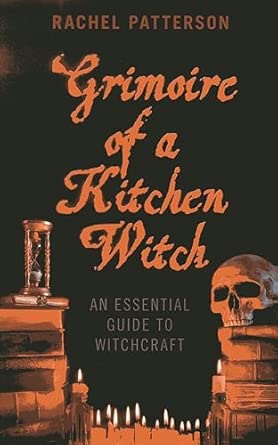
If you’re curious about witchcraft and want a simple, welcoming way to begin, “Grimoire of a Kitchen Witch: An Essential Guide to Witchcraft” is a wonderful book to start your journey. I recently read it, and I found it not only helpful and easy to understand, but also deeply inspiring. The book is written in the style of a personal journal, filled with spells, rituals, recipes, and heartfelt stories from the author’s own life. This makes it feel like a friendly conversation, even if you’re completely new to magic.
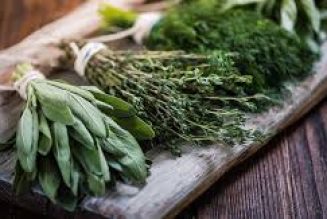
One of the things I appreciated most is how the book shows that magic isn’t something distant or mysterious—it’s woven into your everyday life. The author explains that your kitchen can be a sacred, magical space. Everyday items like herbs, spices, and grains become tools for healing, protection, and manifesting your wishes. For example, you can stir your intentions into a pot of soup, add gratitude to your morning tea, or bless bread before sharing it with loved ones. These small, mindful actions transform daily routines into meaningful rituals, making magic accessible to everyone, regardless of experience.
The book offers clear, step-by-step guides for a variety of rituals. You’ll learn how to cast a circle, call the four directions, and celebrate the changing seasons. Each holiday—like Samhain, Beltane, Imbolc, or Litha—comes with its own spells, recipes, and meditations. For instance, you might make a protective sachet for Samhain by filling a small bag with rosemary, sage, and lavender, then tying it with a ribbon while focusing on your intention. For Beltane, you could blend a special oil using rose petals and vanilla, or bake sun cakes for Litha using honey and fresh herbs. The book also explains magical tools like wands, cauldrons, and chalices, and shows you how to personalize them with carvings, ribbons, or crystals. There are even tips on reading auras, marking important life events with ritual, and working with the cycles of the moon and sun. Everything is explained in a simple, step-by-step way, so both beginners and experienced witches can follow along with confidence.
I especially enjoyed the many creative ideas for meditations, homemade oils and incenses, and seasonal spells. The author encourages you to experiment—try making your own incense blends, draw vision boards with magical symbols, or write your own spells in a journal. There are also group activities, like journaling together, telling stories by the fire, or crafting ritual tools as a team. These ideas help you connect with others, share experiences, and learn together, which can be especially comforting if you’re just starting out and feeling a bit unsure.
To give you a practical example, here’s a simple daily ritual from the book: Each morning, light a candle and take a few deep breaths. As you sip your tea or coffee, think about one thing you’re grateful for and one intention you want to set for the day. You can write these in your journal, or simply speak them aloud. This small act can shift your mindset and invite positive energy into your day. Another easy practice is to create a mini altar in your kitchen—a small space with a candle, a crystal, and a sprig of fresh herbs. Use this space to pause, reflect, or say a quick blessing before meals.
The book is also full of seasonal rituals that help you connect with nature’s cycles. For example, during the winter solstice, you might light a candle and write down your hopes for the coming year, then burn the paper safely to release your wishes. In spring, you could plant seeds while focusing on new beginnings, or make flower crowns with friends to celebrate growth and renewal. For autumn, try making a gratitude list and decorating it with pressed leaves or flowers. These rituals are simple, but they help you feel more in tune with the world around you.
What makes this book truly special is its open-minded, inclusive approach. The author doesn’t follow just one tradition. Instead, she blends ideas from folk magic, Wicca, nature-based spirituality, and her own personal experiences. This means you can adapt the book to fit your own beliefs and interests. Whether you prefer quiet kitchen magic, wild nature rituals, or group ceremonies, you’ll find something that resonates with you. If you’re looking for a strict, tradition-based guide, this book might feel too broad. But for most people, the variety is a gift—it lets you explore and create your own unique path.
The book also emphasizes self-discovery and personal growth. The author reminds you that every witch’s journey is different, and that it’s okay to try different practices until you find what feels right. She encourages you to trust your intuition, keep a journal of your experiences, and reflect on your progress. There are prompts for self-reflection, gratitude lists, and tips for setting goals with the moon’s phases. For example, during the new moon, you might write down your intentions for the month ahead, and during the full moon, review your progress and celebrate your achievements. These practices helped me become more mindful and notice the small ways I was growing, both magically and personally.
The tone of the book is always warm and supportive. The author’s voice feels like that of a wise, encouraging friend. She never judges or insists there’s only one “right” way to practice witchcraft. Whether you’re practicing alone or with friends, in a city apartment or out in the countryside, the book offers practical advice for making magic part of your daily life. I found this especially comforting when I was just starting out and worried about “doing it wrong.”
For beginners, here are a few extra tips inspired by the book:
- Start small. Choose one or two simple rituals to try, like lighting a candle with intention or keeping a gratitude journal.
- Don’t worry about having fancy tools. Everyday items—like a kitchen spoon, a favorite mug, or a stone from your garden—can be magical.
- Keep a journal of your experiences. Write down what you try, how it feels, and what you notice. Over time, you’ll see your growth.
- Connect with others if you can. Join a local group, attend a workshop, or simply share your journey with a friend.
- Be patient and gentle with yourself. Magic is a personal journey, and it’s okay to learn at your own pace.
If you’re just starting out, or if you want fresh inspiration to deepen your practice, I highly recommend “Grimoire of a Kitchen Witch.” It’s full of simple wisdom, creative ideas, and gentle guidance. This book doesn’t just teach you spells—it helps you see the magic in everyday life, and invites you to live with intention, gratitude, and wonder, every single day.