
Author: A Solitary Pagan
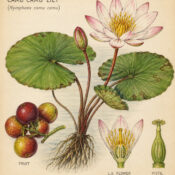

Camu Camu and Its Place in Witchcraft
Camu camu (Myrciaria dubia) is a small shrub native to the flooded regions of the Amazon rainforest in Peru, Brazil, Colombia, and Venezuela. The plant is best known for its bright red-purple fruit, which contains one of the highest natural concentrations of vitamin C found in any fruit. While camu camu is primarily valued for its nutritional and medicinal benefits, it has also found a place in ce...


Camas and Its Place in Witchcraft
Camas is a flowering plant native to North America, known for its striking blue-purple blossoms and deep cultural significance. Belonging to the genus Camassia, it has long been valued by Indigenous peoples for its edible bulbs, which served as an important food source. Beyond its practical uses, camas has also found a place in modern spiritual and magical traditions, where it is associated with a...
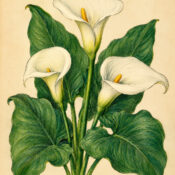

Calla Lily and Its Place in Witchcraft
Calamint (Calamintha spp.) is a fragrant herb belonging to the mint family, known for its small flowers and refreshing aroma. Native to parts of Europe, Asia, and the Mediterranean region, it has long been valued for both medicinal and magical purposes. Historically, herbalists used calamint to aid digestion, relieve colds, and promote general well-being. In the realm of witchcraft and folk magic,...


Calamint and Its Place in Witchcraft
Calamint (Calamintha spp.) is a fragrant herb belonging to the mint family, known for its delicate flowers and refreshing aroma. Native to parts of Europe, Asia, and the Mediterranean region, it has long been valued for both its medicinal and magical properties. While less famous than herbs such as rosemary or sage, calamint holds a respected place in folk magic and modern witchcraft traditions. H...


Calabash and Its Place in Witchcraft
The calabash is a versatile plant that has held cultural, spiritual, and magical significance in many societies around the world. Commonly referring to the fruit of the calabash tree (Crescentia cujete) or certain gourd varieties, the hard-shelled fruit has been used for centuries as a container, musical instrument, ceremonial object, and sacred tool. Its unique shape and durability have made it a...
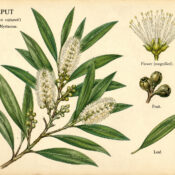

Cajeput and Its Place in Witchcraft
Cajeput (Melaleuca cajuputi) is an evergreen tree native to Southeast Asia and northern Australia. Closely related to tea tree and eucalyptus, it is best known for its aromatic leaves and the essential oil extracted from them. Traditionally, cajeput has been valued in folk medicine for its antiseptic and soothing properties, but it has also found a place within various magical and spiritual practi...


Cactus and Its Place in Witchcraft
The cactus is one of the most distinctive plants in the world, known for its thick, water-storing stems and protective spines. Native primarily to the deserts of the Americas, cacti have adapted to survive in harsh environments where other plants struggle to grow. Beyond their botanical significance, cacti have also found a place in various magical and spiritual traditions, including witchcraft. I...
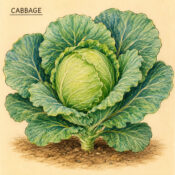

Cabbage and Its Place in Witchcraft
Cabbage (Brassica oleracea) is a humble garden vegetable that has nourished people for centuries, but beyond its culinary value, it also holds a place in folklore, magic, and witchcraft traditions. Throughout Europe, cabbage was often regarded as a plant of protection, prosperity, and fertility. Its tightly layered leaves symbolized hidden knowledge, abundance, and the many layers of the human spi...


Cacao and Its Place in Witchcraft
Cacao (Theobroma cacao), the tropical plant from which chocolate is made, has long been valued for both its physical and spiritual significance. Native to Central and South America, cacao was revered by ancient civilizations such as the Maya and Aztec, who considered it a sacred gift from the gods. Its rich history and symbolic associations have earned it a respected place in modern witchcraft and...


Cypress and Its Place in Witchcraft
The cypress tree (Cupressus spp.) is an evergreen conifer that has long held a place of importance in folklore, spirituality, and magical traditions. Recognized for its tall, slender form and dark green foliage, cypress is native to regions of Europe, Asia, North America, and the Mediterranean. Throughout history, it has been associated with death, mourning, protection, and the enduring nature of ...


Curry Leaf and Its Place in Witchcraft
The curry leaf plant (Murraya koenigii) is a small tropical tree native to India and Sri Lanka. Best known for its fragrant leaves, which are widely used in South Asian cuisine, the plant has also held a place in traditional folklore, spiritual practices, and folk magic for centuries. While it is primarily valued for its culinary and medicinal properties, some cultures associate the curry leaf pla...


Cumin and Its Place in Witchcraft
The cumin plant (Cuminum cyminum) is a flowering herb belonging to the parsley family, Apiaceae. Native to the eastern Mediterranean region and parts of South Asia, cumin is widely cultivated for its aromatic seeds, which are commonly used as a spice in cuisines around the world. The plant grows to about 30–50 centimeters in height and produces small white or pink flowers. Its seeds possess a warm...