
Author: A Solitary Pagan
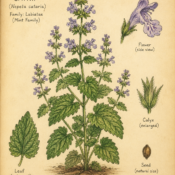

Catnip and Its Place in Witchcraft
Catnip, scientifically known as Nepeta cataria, is a fragrant herb belonging to the mint family. While many people recognize it for its unusual effect on cats, catnip also has a long and fascinating history in folklore, herbal medicine, and witchcraft. Native to Europe and parts of Asia, the plant has been cultivated for centuries and carries strong symbolic associations with attraction, protectio...
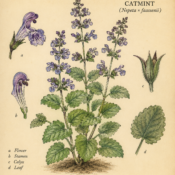

Catmint and Its Place in Witchcraft
Catmint, also known as nepeta, is a fragrant herb belonging to the mint family. Recognized for its soft green leaves and clusters of lavender-blue flowers, catmint has long been valued for both its medicinal and mystical qualities. Native to Europe and parts of Asia, the plant became popular in cottage gardens and monastery herb plots due to its calming scent and ability to attract bees, butterfli...
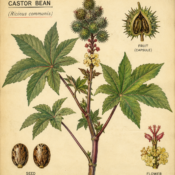

Castor Bean and Its Place in Witchcraft
The Castor Bean plant has long occupied a mysterious place in folklore, medicine, and witchcraft. Native to parts of Africa and India, this striking plant is recognized by its broad star-shaped leaves and spiny seed pods. Though beautiful, the castor bean is highly toxic because it contains ricin, one of the most poisonous natural substances known. This dangerous reputation contributed greatly to ...
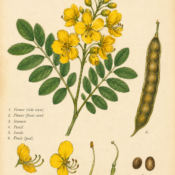

Cassia and Its Place in Witchcraft
Cassia is a fragrant plant belonging to the same botanical family as cinnamon and is best known for its warm, spicy bark and sweet aroma. Native to parts of Asia, especially China and Southeast Asia, cassia has long been valued in cooking, medicine, and spiritual traditions. While often confused with true cinnamon, cassia has a stronger flavor and has held its own unique place in folklore and magi...
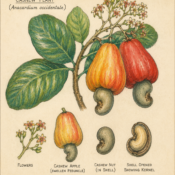

Cashew and Its Place in Witchcraft
The cashew plant, scientifically known as Anacardium occidentale, is a tropical evergreen tree native to Brazil and now cultivated in many warm regions of the world, including Africa, India, and Southeast Asia. Best known for its curved nut and juicy cashew apple, the plant has also found a place in folklore, traditional medicine, and spiritual practices. In witchcraft and folk magic, the cashew t...
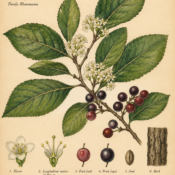

Cascara and Its Place in Witchcraft
Cascara, often referring to the dried bark of the cascara sagrada tree (Rhamnus purshiana), has long been valued for both medicinal and spiritual purposes. Native to the Pacific Northwest of North America, the plant was traditionally used by Indigenous peoples as a natural remedy, particularly for digestive cleansing. Over time, cascara also found a symbolic place within folk magic and modern witc...
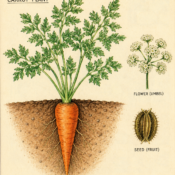

Carrot and Its Place in Witchcraft
The carrot, scientifically known as Daucus carota, is one of the world’s most familiar root vegetables, valued for its bright orange color, sweet flavor, and nutritional benefits. However, beyond the kitchen garden, the carrot also holds a unique place in folklore and witchcraft traditions. Throughout history, many plants were believed to possess magical qualities, and the carrot was no exception....
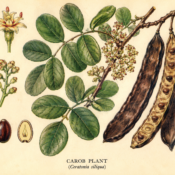

Carob and Its Place in Witchcraft
Carob, a tree native to the Mediterranean region, has long been valued for both its practical uses and its mystical associations. Known scientifically as Ceratonia siliqua, the carob tree produces dark brown pods that have been used for food, medicine, and trade for thousands of years. In folklore and witchcraft traditions, carob is often linked with prosperity, endurance, grounding, and protectio...
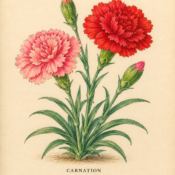

Carnation and Its Place in Witchcraft
The carnation is a beautiful flowering plant known for its ruffled petals, spicy fragrance, and wide range of colors. Scientifically called Dianthus caryophyllus, the carnation has been admired for centuries in gardens, ceremonies, and folklore. Beyond its decorative value, the flower also holds a special place in witchcraft and magical traditions because of the meanings and energies associated wi...
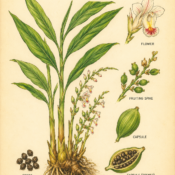

Cardamom and Its Place in Witchcraft
Cardamom is a fragrant spice derived from the seeds of plants in the ginger family, primarily native to India and parts of Southeast Asia. Known for its sweet, spicy aroma and warm flavor, cardamom has been valued for centuries in cooking, medicine, and spiritual traditions. Ancient traders once referred to it as the “Queen of Spices” because of its rarity and powerful scent. Beyond its culinary u...
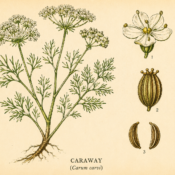

Caraway and Its Place in Witchcraft
Caraway is a fragrant herb that has long held a place in folklore, healing traditions, and witchcraft. Known scientifically as Carum carvi, the plant produces crescent-shaped seeds with a warm, slightly sweet flavor often used in bread, cheese, and herbal remedies. Beyond the kitchen, however, caraway has been valued for centuries as a magical plant associated with protection, memory, love, and lu...
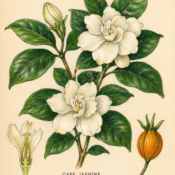

Cape Jasmine and Its Place in Witchcraft
Cape Jasmine, more commonly known as gardenia, is a fragrant flowering plant admired for its creamy white blossoms and glossy evergreen leaves. Native to parts of Asia, especially China and Japan, Cape Jasmine has long been cultivated for its beauty, perfume, and symbolic meaning. Beyond its ornamental value, the plant also holds a respected place in folklore and witchcraft traditions, where it is...