
Author: A Solitary Pagan
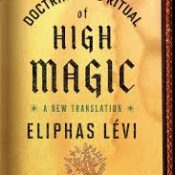

The Doctrine and Ritual of High Magic: A New Translation
The Doctrine and Ritual of High Magic: A New Translation is a remarkable revival of one of the foundational texts of Western occult philosophy. Originally written by the nineteenth-century French occultist Éliphas Lévi, this new translation succeeds in making a notoriously dense and symbolic work more accessible to modern readers while preserving the intellectual richness and mystical atmosphere o...
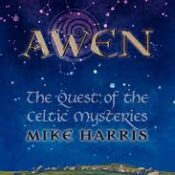

Awen The Quest of the Celtic Mysteries
Awen: The Quest of the Celtic Mysteries is a deeply spiritual and intellectually engaging exploration of Celtic wisdom, mythology, and personal transformation. The book invites readers into the mystical world of the ancient Celts, where poetry, nature, intuition, and spiritual insight are woven together through the concept of “Awen,” a Welsh word meaning poetic inspiration or divine flow. More tha...
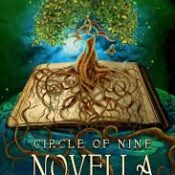

Circle of Nine: Novella Collection
Circle of Nine: Novella Collection is a captivating companion volume to Valerie Biel’s Circle of Nine series, offering readers a deeper look into the rich history, mythology, and legacy of the Quinn women. Rather than continuing the main storyline alone, this collection presents three interconnected novellas—Bressa’s Banishment, Dervla’s Destiny, and Phoebe’s Mission—that explore the lives of key ...
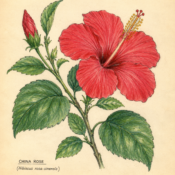

China Rose and Its Place in Witchcraft
The China Rose, scientifically known as Hibiscus rosa-sinensis, is a bright and beautiful flowering plant admired across many cultures. Known for its large petals and striking red, pink, yellow, or white blooms, the China Rose is commonly grown in tropical and subtropical gardens. Beyond its decorative value, the plant has long held symbolic and spiritual importance, especially in traditions conne...
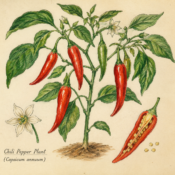

Chili Pepper and Its Place in Witchcraft
The chili pepper has long held a powerful place in folklore, herbal traditions, and magical practices across many cultures. Known for its fiery heat and vivid red color, the plant symbolizes strength, passion, protection, and transformation. In witchcraft and folk magic, chili peppers are often used in spells and rituals intended to ward off evil, increase personal power, and ignite emotional or s...
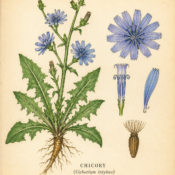

Chicory and Its Place in Witchcraft
Chicory is a hardy blue-flowered plant that has long captured the attention of herbalists, healers, and practitioners of folk magic. Known scientifically as Cichorium intybus, chicory grows along roadsides and open fields throughout Europe and North America. While many people recognize it today as a coffee substitute or medicinal herb, chicory also has a fascinating history in witchcraft and magic...
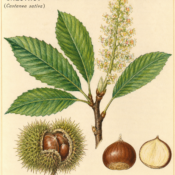

Chestnut and Its Place in Witchcraft
The chestnut tree has long held a place of mystery, nourishment, and spiritual symbolism in folklore and witchcraft traditions. Found across Europe, Asia, and North America, the chestnut is admired not only for its sweet edible nuts but also for the magical qualities many cultures have associated with it throughout history. In traditional folk magic, chestnuts are often connected with protection, ...
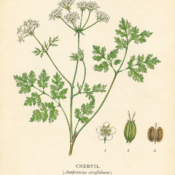

Chervil and Its Place in Witchcraft
Chervil (Anthriscus cerefolium) is a delicate herb from the parsley family, known for its feathery green leaves and mild flavor that resembles anise or licorice. While it is most often associated with French cuisine, where it is used in soups, salads, and sauces, chervil also has a lesser-known but fascinating place in folklore and witchcraft traditions. Throughout history, herbs were valued not o...
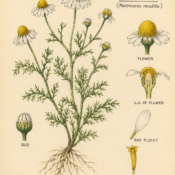

Chamomile and Its Place in Witchcraft
Chamomile is a delicate flowering plant best known for its calming scent and healing properties. Belonging to the daisy family, chamomile has been used for centuries in medicine, spiritual rituals, and magical practices. Ancient Egyptians dedicated the herb to the sun god Ra because they believed it held powerful healing energy. Today, chamomile remains one of the most respected herbs in both herb...
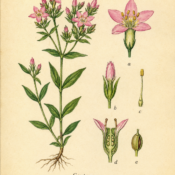

Centaury and Its Place in Witchcraft
Centaury is a delicate flowering herb that has long held a place in folklore, herbal medicine, and magical traditions. Belonging to the gentian family, the plant is recognized by its small pink or reddish star-shaped flowers and its bitter taste. Throughout history, centaury was valued not only for its healing properties but also for the mystical associations attached to it in European folk magic ...
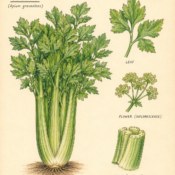

Celery and Its Place in Witchcraft
Celery is commonly known as a crisp green vegetable used in soups, salads, and healthy snacks, but throughout history it has also carried spiritual and magical significance. In many ancient cultures, celery was associated with protection, purification, and communication with the spirit world. Its strong scent and vibrant stalks made it a symbol of vitality and cleansing energy, which helped it ear...
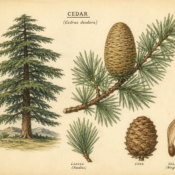

Cedar and Its Place in Witchcraft
Cedar is a strong and fragrant evergreen tree that has held spiritual importance in many cultures for centuries. Known for its durability, pleasant aroma, and healing qualities, cedar has become closely linked with protection, purification, and wisdom. In witchcraft and other spiritual traditions, cedar is often used as a sacred plant that helps cleanse negative energy and create a peaceful enviro...