
Author: A Solitary Pagan
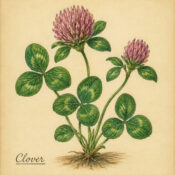

Clover and Its Place in Witchcraft
Clover is a small but meaningful plant that has held symbolic and magical importance for centuries. Known for its delicate green leaves and tiny blossoms, clover grows abundantly in fields and meadows across many parts of the world. While often associated with luck and prosperity, clover also has a deep connection to folklore and witchcraft traditions. In many ancient cultures, clover was believed...
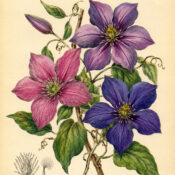

Clematis and Its Place in Witchcraft
Clematis, often called the “queen of climbers,” is a flowering vine admired for its delicate petals and vigorous growth. Found in gardens throughout Europe and Asia, this enchanting plant has also held a quiet but intriguing place in folklore and witchcraft traditions for centuries. Its twisting vines, star-like blossoms, and ability to climb toward the light gave it symbolic importance in many ma...
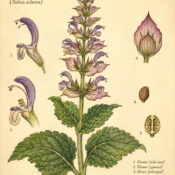

Clary Sage and Its Place in Witchcraft
Clary Sage (Salvia sclarea) is a fragrant herb long associated with healing, wisdom, and spiritual insight. Native to the Mediterranean region, this silvery-green plant produces delicate purple and pink flowers and has been valued for centuries in herbal medicine, perfumery, and magical practices. In witchcraft and folk traditions, Clary Sage is considered a powerful plant for purification, intuit...
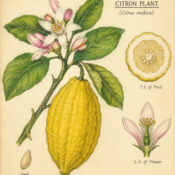

Citron and Its Place in Witchcraft
The citron is one of the oldest cultivated citrus fruits in the world, prized for its thick fragrant rind and powerful symbolic associations. Known scientifically as Citrus medica, the citron has appeared in religious ceremonies, folk medicine, and magical traditions for centuries. In witchcraft and spiritual practice, the citron is often linked with purification, protection, prosperity, and divin...
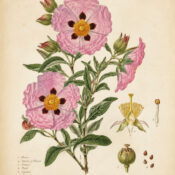

Cistus and Its Place in Witchcraft
Cistus, commonly known as rockrose, is a flowering shrub native to the Mediterranean region. Recognized for its delicate pink or white blossoms and resinous leaves, the plant has long been valued in herbal traditions, perfumery, and spiritual practices. One of its most prized substances is labdanum, a fragrant resin extracted from the leaves and stems. Throughout history, Cistus has held a mystica...
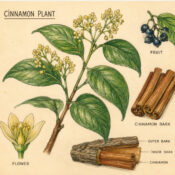

Cinnamon and Its Place in Witchcraft
Cinnamon is one of the oldest and most treasured spices in human history. Derived from the bark of trees belonging to the Cinnamomum family, it has been used for thousands of years in cooking, medicine, perfume, and spiritual practice. Ancient civilizations such as the Egyptians, Chinese, and Romans valued cinnamon highly, often considering it more precious than gold. Its warm scent and fiery tast...
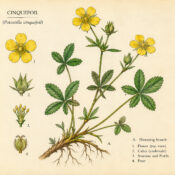

Cinquefoil and Its Place in Witchcraft
Cinquefoil, a small flowering plant belonging to the genus Potentilla, has long held a respected place in folklore, herbalism, and witchcraft traditions. Its name comes from the French words cinq feuilles, meaning “five leaves,” referring to the plant’s characteristic five-part leaf pattern. Across Europe and parts of North America, Cinquefoil has been regarded as a symbol of protection, power, an...
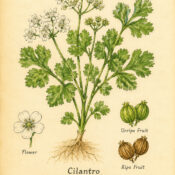

Cilantro and Its Place in Witchcraft
Cilantro, also known as coriander, is a fragrant herb that has been valued for centuries in cooking, medicine, and spiritual practices. Scientifically known as Coriandrum sativum, the plant is native to regions of Southern Europe, North Africa, and Western Asia. While many people recognize cilantro for its bright flavor in foods such as salsa and curry, the herb also carries a long and fascinating...
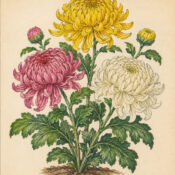

Chrysanthemum and Its Place in Witchcraft
The chrysanthemum is a flower admired across the world for its beauty, symbolism, and spiritual associations. Originating in Asia, especially China and Japan, chrysanthemums have long been connected to themes of life, death, protection, and healing. Their many colors and layered petals make them one of the most recognizable flowers in gardens and rituals alike. In witchcraft and folk magic, chrysa...
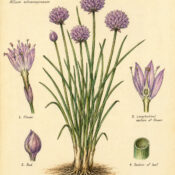

Chive and Its Place in Witchcraft
Chive, a small herb from the onion family, has long held a valued place in both cooking and folklore. Known scientifically as Allium schoenoprasum, chives are recognized by their thin green stalks and delicate purple flowers. While often used to flavor soups, potatoes, and salads, chives also carry a rich history of magical and spiritual symbolism in witchcraft traditions. In European folklore, ch...
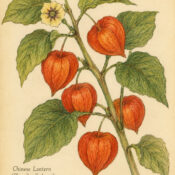

Chinese Lantern and Its Place in Witchcraft
The Chinese Lantern plant, scientifically known as Physalis alkekengi, is a striking perennial recognized for its bright orange, papery husks that resemble glowing lanterns. Native to parts of Asia and Southern Europe, the plant has long been admired for its unusual beauty and symbolic associations. Beyond its ornamental value, the Chinese Lantern has also found a place in folklore, spirituality, ...
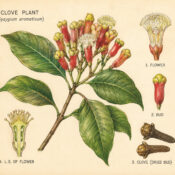

Clove and Its Place in Witchcraft
Clove, derived from the dried flower buds of the clove tree (Syzygium aromaticum), has long held an important place in both traditional medicine and magical practice. Native to the Spice Islands of Indonesia, clove became one of the most valued spices in the ancient world due to its rich aroma, warming flavor, and healing qualities. Beyond culinary use, however, clove has been deeply connected to ...