
Author: A Solitary Pagan
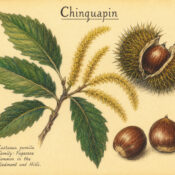

Chinquapin and Its Place in Paganism & Witchcraft
The Chinquapin (Castanea pumila), sometimes called the Allegheny Chinkapin, is a small tree or shrub native to the southeastern and eastern regions of North America. A close relative of the American chestnut, it produces sweet edible nuts and has long been valued by Indigenous peoples and early settlers for both food and medicine. Beyond its practical uses, the Chinquapin has found a place within ...
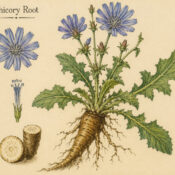

Chicory Root in Paganism and Witchcraft
Chicory root (Cichorium intybus) is a hardy perennial plant known for its bright blue flowers and deep taproot. While today it is commonly used as a coffee substitute and herbal remedy, chicory has a long history in folklore, pagan traditions, and magical practice. For centuries, it has been valued not only for its medicinal properties but also for its spiritual associations. In European folk magi...
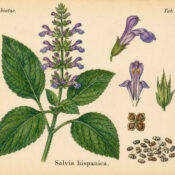

Chia: A Sacred Seed in Paganism and Witchcraft
Chia (Salvia hispanica) is a flowering plant native to Central America, best known today for its nutrient-rich seeds. Revered by ancient civilizations such as the Aztecs and Maya, chia was valued not only as a source of nourishment but also as a sacred plant connected to vitality, endurance, and spiritual offerings. Its historical significance has led many modern Pagans and practitioners of witchc...
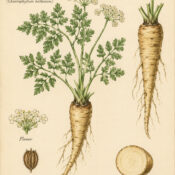

Chervil Root and Its Place in Paganism & Witchcraft
Chervil Root, derived from the plant Chaerophyllum bulbosum, is a lesser-known member of the carrot family that has long been valued for both its culinary and symbolic qualities. While its sweet, chestnut-like root has been cultivated as a food source in parts of Europe, folk traditions also associate the plant with themes of growth, fertility, and hidden wisdom. Although Chervil Root is not among...
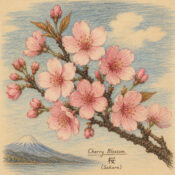

Cherry Blossom and Its Place in Paganism & Witchcraft
The cherry blossom, the delicate flower of the cherry tree, is celebrated around the world for its beauty and symbolic meaning. Blooming briefly in spring before its petals drift away on the wind, the cherry blossom represents renewal, transformation, and the fleeting nature of life. These qualities have made it a meaningful plant within various Pagan and Witchcraft traditions. In Pagan spirituali...


Cherry Laurel in Paganism and Witchcraft
Cherry Laurel (Prunus laurocerasus) is an evergreen shrub known for its glossy leaves, fragrant white flowers, and dark berries. Native to regions around the Black Sea and widely cultivated throughout Europe, it has long been valued for its beauty, resilience, and ability to create protective hedges. In pagan and witchcraft traditions, Cherry Laurel is often associated with protection, boundaries,...


Cherimoya: A Sacred Fruit in Paganism and Witchcraft
Cherimoya (Annona cherimola), often called the “custard apple,” is a tropical fruit-bearing tree native to the highlands of South America. Renowned for its sweet, creamy flesh and heart-shaped fruit, cherimoya has long been admired not only for its nutritional value but also for its symbolic qualities. Within modern Pagan and Witchcraft traditions, cherimoya is associated with abundanc...
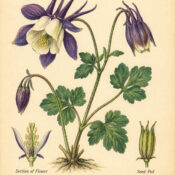

Columbine and Its Place in Paganism & Witchcraft
Columbine (Aquilegia) is a graceful flowering plant known for its delicate, bell-shaped blooms and distinctive spurred petals. Found in a variety of colors including purple, blue, pink, white, and yellow, columbine has long been admired for its beauty and symbolism. While it is widely appreciated in gardens and wildflower meadows, it also holds a special place within certain Pagan and witchcraft t...
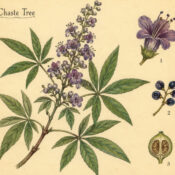

The Chaste Tree and Its Place in Paganism & Witchcraft
The Chaste Tree (Vitex agnus-castus), also known as Chasteberry or Monk’s Pepper, is a fragrant shrub native to the Mediterranean region. Recognized by its spikes of purple-blue flowers and aromatic leaves, the plant has been valued for centuries in both herbal medicine and spiritual traditions. While it is perhaps best known for its historical use in supporting hormonal balance, the Chaste Tree a...
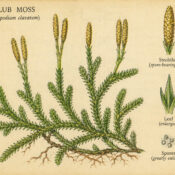

Club Moss and Its Place in Paganism & Witchcraft
Club Moss (Lycopodium spp.) is an ancient and fascinating plant that has existed on Earth for more than 300 million years. Despite its name, it is not a true moss but belongs to a group of primitive vascular plants related to ferns. Found in woodlands, heathlands, and damp forests, Club Moss is recognized by its creeping stems and evergreen, scale-like leaves. Its long history and unique appearanc...


Carolina Allspice: A Fragrant Ally in Paganism and Witchcraft
Carolina Allspice (Calycanthus floridus), also known as Sweetshrub or Spicebush, is a deciduous flowering shrub native to the southeastern United States. Renowned for its deep burgundy flowers and spicy fragrance, the plant has long been appreciated for both its ornamental beauty and its subtle spiritual associations. While not as commonly referenced in historical European magical traditions as he...
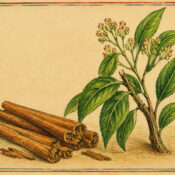

Ceylon Cinnamon: A Sacred Spice in Paganism and Witchcraft
Ceylon Cinnamon (Cinnamomum verum), often called “true cinnamon,” is a fragrant evergreen tree native to Sri Lanka and parts of South Asia. Renowned for its sweet aroma and delicate flavor, this treasured spice has been valued for centuries not only in cooking and medicine but also in spiritual and magical practices. Within modern Paganism and Witchcraft, Ceylon cinnamon holds a special place as a...