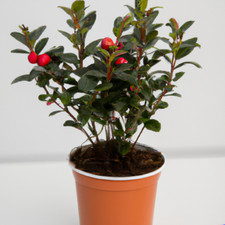
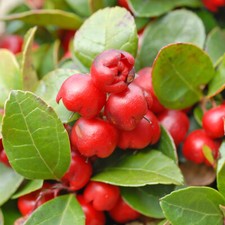
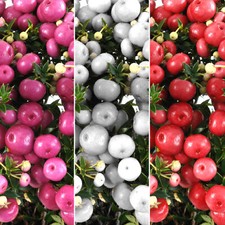
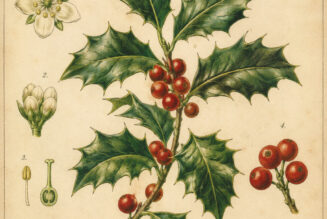
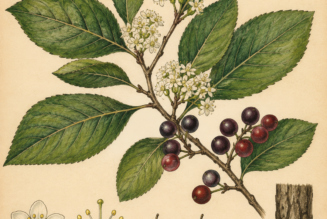
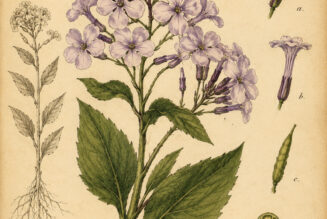
Gaultheria, commonly known as wintergreen or teaberry, is a low-growing evergreen plant valued for its aromatic leaves and bright red berries. While it is widely recognized for its medicinal and culinary uses, Gaultheria also holds symbolic significance in various pagan and modern witchcraft traditions. Its evergreen nature, refreshing fragrance, and association with healing have made it a meaningful plant in spiritual practices centered on renewal, protection, and purification.
In many contemporary pagan paths, evergreen plants symbolize endurance, resilience, and the continuity of life through the changing seasons. Because Gaultheria remains green throughout the year, it is often associated with the cycle of rebirth and the enduring strength of nature. Practitioners may include its leaves in seasonal altars, particularly during winter festivals that celebrate the return of light and the persistence of life during the darker months.
In modern witchcraft, Gaultheria is frequently connected with protection and cleansing. Dried leaves may be placed in protective sachets, charm bags, or herbal blends intended to symbolically ward off unwanted influences. Some practitioners also use the plant in rituals designed to promote emotional clarity, personal renewal, or spiritual purification. These uses are based on symbolic and folkloric associations rather than scientific evidence of magical properties.
The crisp, mint-like aroma of wintergreen has also contributed to its role in meditation and ritual. Its scent is believed by some practitioners to encourage focus, clear mental distractions, and create a fresh atmosphere for spellwork, divination, or prayer. Essential oil of wintergreen is sometimes used in ritual settings for its fragrance, although it should always be handled with caution because it is highly concentrated and can be toxic if misused.
It is important to recognize that beliefs about Gaultheria vary widely among pagan traditions, and there is no single, universal interpretation of its magical properties. Much of its use in modern witchcraft stems from contemporary herbalism, personal practice, and symbolic correspondence rather than historical documentation.
Today, Gaultheria remains a respected ritual herb for many pagans and witches who appreciate its evergreen vitality, refreshing scent, and symbolic connections to healing, protection, and the enduring power of the natural world.