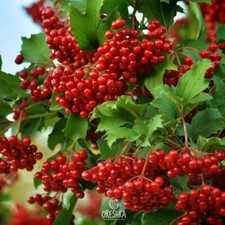
Cramp Bark (Viburnum opulus) is a deciduous shrub native to Europe, North Africa, and parts of Asia. Known for its clusters of white flowers and bright red berries, it has long been valued in traditional herbal medicine. The bark of the plant, harvested primarily from the stem and branches, is especially prized for its ability to ease muscle spasms and cramps, giving rise to its common name. Herbalists have traditionally used Cramp Bark to support relaxation of the muscles, particularly during menstrual discomfort and other forms of muscular tension.
Beyond its medicinal uses, Cramp Bark holds a respected place in pagan and witchcraft traditions. Many practitioners view the plant as a symbol of protection, endurance, and healing. Its ability to soothe physical pain has led to spiritual associations with calming emotional turmoil, releasing tension, and restoring balance to the body and spirit.
In folk magic, Cramp Bark is often incorporated into healing spells, protective charms, and rituals focused on overcoming hardship. Pieces of the bark may be carried in sachets or charm bags to encourage strength during difficult times. Some witches use Cramp Bark in spellwork intended to ease conflicts, reduce stress, or help break harmful patterns that cause emotional strain. Its energy is generally considered gentle, nurturing, and restorative rather than forceful or aggressive.
The shrub’s striking red berries have also contributed to its magical symbolism. In some traditions, red fruits are linked with vitality, life force, and protection from negative influences. Although the berries themselves are not commonly used in herbal remedies, they may appear in seasonal decorations and nature-based rituals celebrating the cycles of life, death, and renewal.
For modern pagans and witches, Cramp Bark remains a valued ally for both practical and spiritual purposes. Whether used in herbal preparations, meditation practices, or magical workings, it is appreciated as a plant that encourages healing, resilience, and inner peace. Its enduring reputation reflects the deep connection between traditional herbal knowledge and the spiritual practices that honor the wisdom of the natural world.