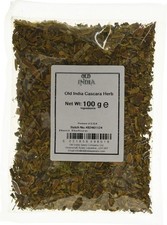
Cascara, often referring to the dried bark of the cascara sagrada tree (Rhamnus purshiana), has long been valued for both medicinal and spiritual purposes. Native to the Pacific Northwest of North America, the plant was traditionally used by Indigenous peoples as a natural remedy, particularly for digestive cleansing. Over time, cascara also found a symbolic place within folk magic and modern witchcraft practices.
In witchcraft, plants are rarely viewed only for their physical properties. Instead, practitioners often connect a plant’s magical meaning to its natural characteristics. Because cascara is associated with cleansing and purification of the body, many witches consider it a powerful herb for spiritual cleansing as well. It is commonly used in rituals designed to remove negative energy, break emotional stagnation, or encourage personal transformation.
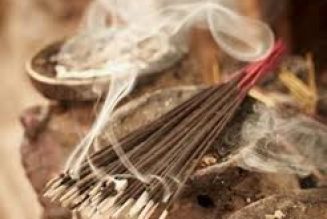
Some practitioners burn small amounts of cascara bark as incense during purification rituals. The smoke is believed to clear unwanted energies from sacred spaces, ritual tools, or even the self. Others place pieces of the bark in charm bags or spell jars intended for healing, renewal, and protection. In some traditions, cascara is combined with herbs such as rosemary, sage, or cedar to strengthen cleansing magic.
Cascara’s connection to release and renewal also gives it a role in banishing spells. Symbolically, the herb represents letting go of harmful influences, bad habits, or spiritual burdens. During moon rituals, especially those performed during the waning moon, witches may use cascara in spells focused on endings and purification.
Despite its mystical reputation, experienced practitioners stress the importance of respecting the plant’s medicinal strength. Cascara sagrada contains compounds that can strongly affect the digestive system, and it should never be consumed carelessly or without proper knowledge. Ethical herbalism and informed practice remain important parts of responsible witchcraft.
Today, cascara continues to hold a modest but meaningful place in herbal magic. Whether used for spiritual cleansing, protection, or symbolic renewal, the plant reflects one of witchcraft’s central beliefs: that nature carries both physical and spiritual power for those who approach it with respect and intention.