
Author: A Solitary Pagan
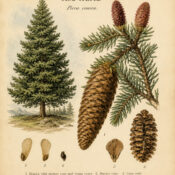

Cone Spruce: An Evergreen Symbol in Paganism and Witchcraft
Cone Spruce is a common name used for spruce trees that produce the familiar hanging cones associated with evergreen forests. Members of the spruce family belong to the genus Picea and are valued for their tall, graceful appearance, needle-like leaves, and year-round greenery. Found across North America, Europe, and parts of Asia, spruce trees thrive in cool climates and can live for many decades,...
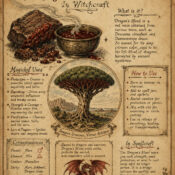

Dragon’s Blood: Its Place in Paganism and Witchcraft
Dragon’s Blood is one of the most well-known and widely used magical substances in pagan and witchcraft traditions. Despite its dramatic name, Dragon’s Blood is not related to dragons. It is actually a deep red resin harvested from several species of trees found in regions such as Southeast Asia, Africa, and the Canary Islands. For centuries, this resin has been valued for its spiritual, medicinal...
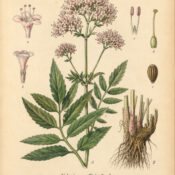

Valerian: A Sacred Herb in Paganism and Witchcraft
Valerian (Valeriana officinalis) is a flowering perennial plant known for its sweet-scented blossoms and strong-smelling roots. Native to Europe and parts of Asia, it has been used for centuries as both a medicinal herb and a spiritual tool. While many people recognize valerian for its calming properties and use as a natural sleep aid, it also holds an important place in pagan traditions and the p...
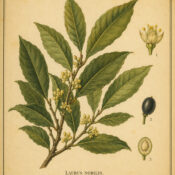

Bay Leaf: A Sacred Herb in Paganism and Witchcraft
The bay leaf, harvested from the bay laurel tree (Laurus nobilis), has been valued for thousands of years for its culinary, medicinal, and spiritual uses. In pagan traditions and modern witchcraft, the bay leaf is considered a powerful magical herb associated with protection, wisdom, purification, and the fulfillment of wishes. The spiritual significance of the bay leaf can be traced back to ancie...
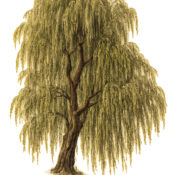

The Willow Tree: Its Place in Paganism and Witchcraft
The willow tree has long held a special place in pagan traditions and magical practices. Known for its graceful, drooping branches and ability to thrive near water, the willow is often associated with intuition, healing, emotions, and the mysteries of the Moon. Across many ancient cultures, it has been revered as a symbol of wisdom, transformation, and spiritual connection. In pagan belief systems...
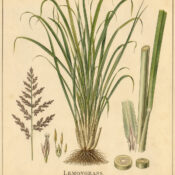

Lemongrass: A Sacred Herb in Paganism and Witchcraft
Lemongrass (Cymbopogon citratus) is a fragrant tropical plant known for its citrus scent, culinary uses, and medicinal properties. Beyond the kitchen and herbal medicine cabinet, lemongrass has long held a respected place in many spiritual traditions, particularly within paganism and modern witchcraft. In magical practices, lemongrass is most commonly associated with cleansing, purification, and s...
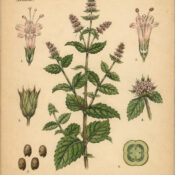

Mint: A Sacred Herb in Paganism and Witchcraft
Mint is one of the most widely recognized herbs in the world, valued for its refreshing scent, healing properties, and culinary uses. Beyond the kitchen and garden, mint has held an important place in pagan traditions and witchcraft for centuries. Its vibrant energy and strong aroma have made it a popular herb for magical and spiritual practices. In many pagan beliefs, plants are seen as sacred gi...
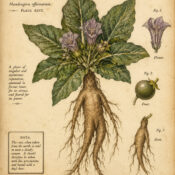

The Mandrake Plant: Its Mystical Role in Paganism and Witchcraft
The mandrake plant (Mandragora officinarum) is one of the most famous magical plants in history. Native to parts of the Mediterranean and the Middle East, it has long been surrounded by myths, legends, and supernatural beliefs. With its thick, forked root often resembling the shape of a human body, the mandrake has captured the imagination of people for thousands of years. In ancient times, the ma...
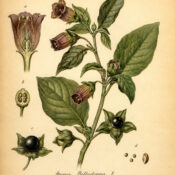

Belladonna: The Mysterious Plant of Paganism and Witchcraft
Belladonna (Atropa belladonna), also known as Deadly Nightshade, is one of the most famous and feared plants in folklore, magic, and herbal history. Native to parts of Europe, North Africa, and Western Asia, it is recognized by its dark berries, green-purple flowers, and highly toxic properties. While dangerous if consumed, Belladonna has long held a powerful place in pagan traditions and witchcra...
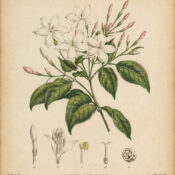

Jasmine: A Sacred Flower in Paganism and Witchcraft
Jasmine is one of the most beloved and magical plants in the world. Known for its delicate white flowers and sweet fragrance, it has been valued for centuries in spiritual traditions, folklore, and magical practices. In paganism and witchcraft, jasmine is associated with love, spirituality, the Moon, and psychic awareness. The jasmine plant belongs to a large family of flowering vines and shrubs. ...
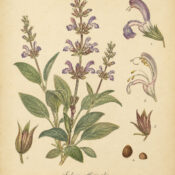

Sage & Its Place in Paganism & Witchcraft
Sage is one of the most well-known and widely used herbs in paganism and witchcraft. For centuries, it has been valued for its spiritual, medicinal, and symbolic properties. Many practitioners believe sage possesses powerful cleansing and protective energies, making it an important tool in various rituals and magical practices. In pagan traditions, sage is often associated with wisdom, purificatio...
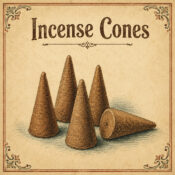

Incense Cones and Their Place in Paganism and Witchcraft
Incense cones have been used in spiritual and religious practices for thousands of years. Made from fragrant herbs, resins, woods, and essential oils, these small cones release aromatic smoke when burned. In many pagan and witchcraft traditions, incense cones are valued not only for their pleasant scent but also for their symbolic and magical properties. In paganism, incense is often used to creat...