
Author: A Solitary Pagan
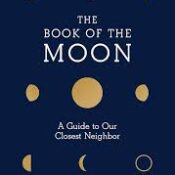

The Book of the Moon: A Guide to Our Closest Neighbor by Maggie Aderin-Pocock
The Book of the Moon: A Guide to Our Closest Neighbor is an engaging and informative exploration of Earth’s only natural satellite, written by renowned space scientist and science communicator Maggie Aderin-Pocock. Combining scientific knowledge with historical, cultural, and philosophical perspectives, the book offers readers a comprehensive understanding of the Moon and its enduring influence on...


Flight of the Goose by Lesley Thomas
Lesley Thomas’s Flight of the Goose: A Story of the Far North is a powerful and thought-provoking novel that combines romance, cultural exploration, environmental concerns, and spirituality within the dramatic setting of Arctic Alaska. Set in the early 1970s, the novel tells the story of Kayuqtuq, a young Inupiaq woman struggling with personal trauma and social isolation, and Leif, a bird scientis...


Aradia or the Gospel of the Witches Paperback Charles Godfrey
Aradia, or the Gospel of the Witches is one of the most intriguing and controversial books in the study of folklore, witchcraft, and pagan traditions. First published in 1899 by Charles Godfrey Leland, the book claims to present the religious beliefs, rituals, spells, and myths of an ancient Italian witchcraft tradition. According to Leland, the material was collected from a woman named Maddalena,...


164Working Magic as Active Meditation
Meditation and magical practice share many of the same foundations. Both begin by guiding the mind into a calm, focused, and peaceful state. Before many magical exercises can be effective, it is important to relax, quiet mental distractions, and develop a sense of inner stillness. This state of awareness creates the ideal environment for both meditation and magical work. Meditation is often viewed...
163Receiving Guidance from the Universe
Many people believe that guidance is available to anyone willing to pause, listen, and remain open to new insights. The idea of receiving guidance from the Universe begins with the simple principle that questions can be asked and answers can be received. Whether seeking help with a decision, a personal challenge, or a sense of direction, the process starts with creating a calm and peaceful state o...
162Setting Daily Goals Through Meditation
Meditation can be a valuable tool for planning and organizing the day ahead. When practiced in the morning, it provides an opportunity to begin the day with a calm, focused, and clear mindset. Rather than rushing into daily activities, taking a few moments to meditate can help create the mental space needed to identify priorities and establish meaningful goals. During a meditative state, the mind ...
181Using Meditation to Gain Clarity and Resolve Challenges
Life often presents situations that require careful thought, whether it is making an important decision, solving a difficult problem, or navigating an unexpected challenge. While it is natural to seek answers through analysis and discussion, meditation can provide a valuable additional perspective by creating the mental space needed for greater clarity and insight. During meditation, the mind grad...
160Empowering Yourself Through Meditation
Meditation can be much more than a practice of relaxation. It can also be a powerful tool for personal growth, self-development, and inner empowerment. By using meditation intentionally, it becomes possible to strengthen the mind, develop greater emotional balance, and build confidence in one’s abilities. One way meditation can be used is to focus on personal empowerment. During quiet reflec...
159Discovering Your Authentic Self
Many people spend time exploring their goals, dreams, and desires, but an even deeper question often remains unanswered: Who are you at your core? Self-discovery begins by creating a quiet space free from distractions. When the mind becomes calm and focused, it becomes easier to look beyond everyday concerns and explore deeper aspects of identity and purpose. This process is not about finding quic...
158Deciding What You Truly Want
Many people spend years pursuing goals without ever stopping to consider whether those goals reflect what they genuinely want. One of the most common obstacles to achieving meaningful success is a lack of clarity about personal desires. While it may seem obvious to know what is wanted in life, closer reflection often reveals conflicting ambitions, changing priorities, or uncertainty about long-ter...
157Releasing Emotional Issues: Letting Go of What No Longer Serves You
Many people carry emotional burdens that quietly influence their thoughts, decisions, and behaviors. These may include unresolved feelings, past disappointments, emotional wounds, fears, limiting beliefs, or lingering trauma. Often, these experiences remain beneath conscious awareness, yet they continue to affect everyday life, creating obstacles to personal growth, happiness, and success. A power...
156The Benefits of Self-Conversation
Many people experience an ongoing flow of thoughts throughout the day. Rather than viewing this inner dialogue as something that needs to be silenced, it can be seen as a valuable source of insight and understanding. Self-conversation is the practice of paying attention to these thoughts in a calm and reflective way, allowing a deeper connection with emotions, needs, and personal experiences. The ...