We would like to disclose that this website may contain affiliate links. This means that if you click on a product link and make a purchase, we may earn a commission. As an Amazon & eBay Partner Network Associate, we earn from qualifying purchases.
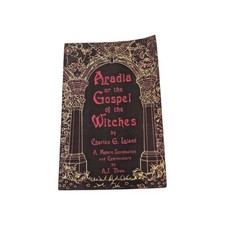
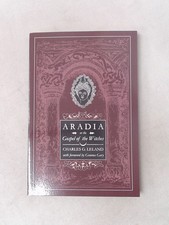
Aradia, or the Gospel of the Witches is one of the most intriguing and controversial books in the study of folklore, witchcraft, and pagan traditions. First published in 1899 by Charles Godfrey Leland, the book claims to present the religious beliefs, rituals, spells, and myths of an ancient Italian witchcraft tradition. According to Leland, the material was collected from a woman named Maddalena, who provided him with manuscripts and oral accounts of the practices of Italian witches.
The central figure of the book is Aradia, a messianic daughter of the goddess Diana and her brother Lucifer. Sent to Earth to teach oppressed peasants and outcasts the art of witchcraft, Aradia becomes a symbol of resistance against social and religious oppression. This theme of empowerment gives the text a unique and compelling character, distinguishing it from many other folklore collections of its time.
One of the book’s greatest strengths is its rich blend of mythology, folklore, and magical practices. Readers are introduced to chants, invocations, spells, and legends that offer a fascinating glimpse into Italian folk traditions. Leland’s translations preserve much of the poetic and mysterious atmosphere of the original material, making the text both engaging and thought-provoking.
However, the book has long been the subject of scholarly debate. Critics question the authenticity of the material, arguing that some portions may have been altered, embellished, or even created by Leland himself. The lack of independent verification for many of the sources has led historians to approach the work with caution. Despite these concerns, the book remains highly influential, particularly within modern Pagan and Wiccan movements, where it is often regarded as a foundational text.
Overall, Aradia, or the Gospel of the Witches is a fascinating work that bridges folklore, religion, and social history. Whether viewed as an authentic record of a surviving witchcraft tradition or as a literary and folkloric construction, it offers valuable insights into cultural beliefs and the enduring appeal of magical traditions. It is essential reading for anyone interested in witchcraft, mythology, or the history of alternative spiritual movements.