
Author: A Solitary Pagan
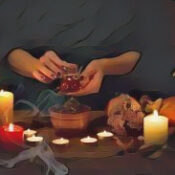

Casting Spells Using Planetary Hours Magical Timing
Many witches believe that timing can make spells more effective. One helpful way to time your magic is by using planetary hours. Planetary hours are especially useful when the moon’s phase or sign isn’t ideal, because they add another layer of energy to your work. Although calculating planetary hours might seem complicated at first, it becomes simple once you learn the steps. In this chapter, we’l...
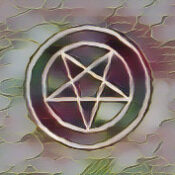

Casting A Dual Circle
Casting a Dual Circle as a Solitary Practitioner is a powerful and meaningful ritual, especially for those walking their own unique path in witchcraft. This practice not only creates a sacred space for your workings, but also helps you connect deeply with the elements and your own inner power. Begin by gathering your tools: salt to represent the Earth, a small bowl of water, and your chosen ritual...

Casting A Triple Circle
The number three could be viewed as important in many spiritual traditions, including witchcraft. It often stands for the connection between life, nature’s cycles, and the divine. Many solitary pagan witches use the power of three to make their rituals stronger and safer. The triple circle is one way to do this. Each circle represents a layer of energy, intention, and protection. The idea of three...
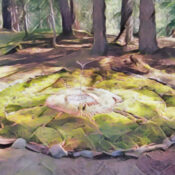

Un Casting A Circle
Uncasting a Circle is an important way to respectfully end many witchcraft rituals. This process is more than just finishing a ceremony—it is about gently releasing the energy you have gathered and returning your space to its usual state. By following a few clear steps, you can ground the energy, honor your space, and complete your ritual with care. To begin, take a moment to pause and reflect on ...
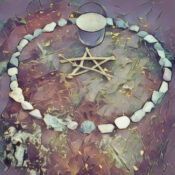

Casting a Circle
Casting a Circle is a key practice in many forms of witchcraft and ritual work. It creates a protective boundary and a sacred space, helping to separate your working area from everyday life and focus your intent. For those new to this practice, understanding both the purpose and the steps involved can support safe and effective magical work. The process of casting and later closing a circle can be...
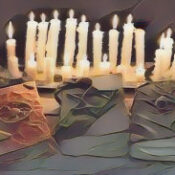

Suggestions for Candle Magick
Candle magick is a basic practice in many witchcraft traditions. It offers a simple way to focus your intention and work toward your goals. If you are new to candle magick, here are some clear steps and tips to help you get started. Making your own candles can be helpful. When you craft candles by hand, you add your own energy and intention from the beginning. This can be as easy as melting wax an...
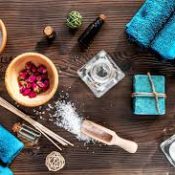

Ingredients for Candle Making
Beeswax The most common types of wax used in candle making are beeswax, paraffin wax, and dip-and-carve wax. Beeswax is an all natural wax with a sweet aroma. It is preferred because it adds softness and beauty to candles and it also increases burning time. It is also more expensive. Beeswax comes in one-pound cakes or sheets. The sheets are sometimes used for making rolled candles. The rectangula...
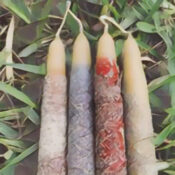

Elemental Candle Colours
Elemental candle colours are an important part of many witchcraft and ritual practices. Each of the four classical elements—Air, Fire, Water, and Earth—is represented by a specific candle colour: yellow for Air, red for Fire, blue for Water, and green for Earth. These colours are chosen for their symbolic connection to the qualities of each element. For example, yellow is linked to clarity and int...

Candle Gardens
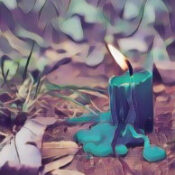
Candle Gardens. In witchcraft, it is common for practitioners to be approached by friends, family, or community members who are seeking help. These requests can be for many reasons—such as illness, grief, emotional distress, or simply needing comfort and guidance. People often turn to those they trust for spiritual or energetic support. While it is natural to want to help everyone, it is not alway...

Candle of Love Spell
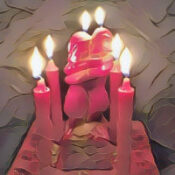
Candle of Love Spell. The Candle of Love Spell is a traditional ritual intended to attract or strengthen romantic affection between two people. This spell uses symbolic items and specific actions to help focus intention and energy on the goal of mutual love. Each item in this spell serves a particular purpose, chosen to support the spell’s effectiveness. The following materials are used: a length ...

Green Candle
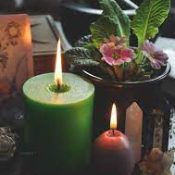
In witchcraft, the color green holds significant meaning. It represents the element of Earth and is linked to the direction of North. Green is also associated with the midnight hour and the season of winter—periods that encourage stillness, reflection, and renewal. This color embodies growth, fertility, and abundance, mirroring the cycles of nature and the nurturing qualities of the land. When usi...

The History of Candles
The History of Candles. Candles have been used for thousands of years. Early forms appeared in ancient Egypt and Rome. Egyptians made rushlights by soaking reeds in animal fat, while Romans developed the wicked candle, using tallow or beeswax. The tradition of burning candles is closely connected to humanity’s respect for fire. Fire has long been a source of warmth, safety, and a symbol of the div...