
Author: A Solitary Pagan
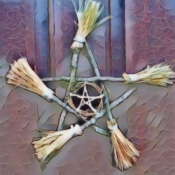

Blessing Charm for Infant
Blessing Charm for an Infant. This ritual is intended to provide protection, guidance, and positive energy for a newborn or young child. It uses elements of folk magic and can be adjusted to fit your personal or family traditions. The following steps are organized for clarity and ease of use. To begin, gather these items: several bay leaves (for protection and blessings), one gold candle (for ligh...
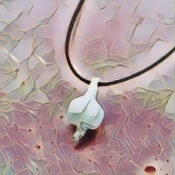

GARLIC PROTECTION CHARM
The garlic protection charm is a well-known folk remedy, with roots in centuries of magical and cultural tradition. Garlic and onions have often been used to help protect against negativity, illness, and unwanted influences, especially in European and Mediterranean cultures. Their strong scent and layered structure are thought to form a barrier, making them common ingredients in protective practic...
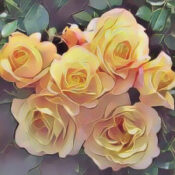

Yellow Rose Charm
The Yellow Rose Charm is a ritual designed to convey affection and heartfelt intention through the symbolic language of flowers and scent. This charm draws upon the traditional meaning of the yellow rose, which is often associated with friendship, joy, and the warmth of genuine connection. To begin the ritual, select a long-stem yellow rose that appears vibrant and healthy. The act of choosing the...
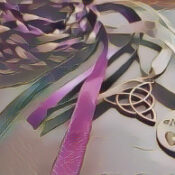

Marriage Charm
The Marriage Charm is a traditional ritual designed to symbolize the union of two individuals, strengthening the bond between them on both a spiritual and emotional level. This charm is often used by practitioners seeking to deepen their connection with a partner or to invite lasting commitment into their lives. To begin, gather two small gold rings and a length of white ribbon. Gold is chosen for...

Calling the Powers
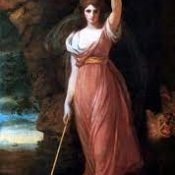
In witchcraft, connecting with the elemental powers is considered a core ritual. This practice, often called “Calling the Powers,” allows practitioners to engage with the energies of earth, fire, water, and air. Each element is thought to represent a fundamental force of nature, offering its own qualities and strengths to magical work. The “Calling the Powers Chant” is a tr...

In the Praise of Isis
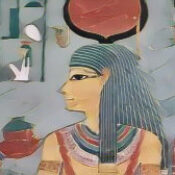
Beginning a journey into witchcraft is a personal process of self-exploration and connection with the world. There is no single tradition or set of rules that defines this path. Instead, it is shaped by your relationship with yourself, nature, and the unseen influences in life. (Each tool, ritual, and moment of reflection can help you understand your own approach to magic. Some people are interest...

Cleansing Chants
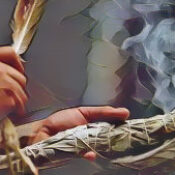
Cleansing chants are a key part of many witchcraft practices. They are used to purify both the space and the practitioner before beginning any ritual or magical work. This process helps remove unwanted energies, creates a sacred atmosphere, and clarifies your intentions for what follows. The main purpose of cleansing chants is to help focus your mind and spirit. By reciting these words and perform...

Magick Chanting
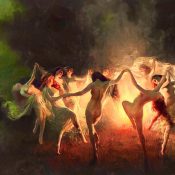
In ritual, the repetition of sacred or magical words, names and phrases to alter consciousness and raise psychic power. Chanting, done in conjunction with dancing, drumming, visualization and body movements and postures, is one of the oldest and most universal techniques to align human consciousness with therealms of spirits and the gods. The principle behind chanting is expressed in the Eastern m...
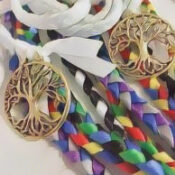

Celtic Six Cord Handfasting Ritual
The Celtic Six Cord Handfasting Ritual is a traditional ceremony that symbolizes the union of two people. Before proceeding, it is important to recognize that your lives have already become connected. As you choose to enter into marriage, you are encouraged to reflect on the values and intentions that give meaning to this ceremony and to your partnership. Within this circle, you are not only makin...
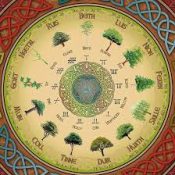

The Celtic Tree Calendar
The Celtic Tree Calendar is a controversial subject. It is a calendar which contains 13 lunar divisions (or months), each one associated with and ruled over by a specific tree. Each tree has a Celtic Ogham symbol associated with it (from the Celtic Ogham Alphabet). Each of the themes of the months tie in with Celtic culture and mythology. However, it is controversial because there is no actual evi...
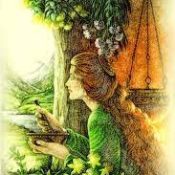

Celtic Herb Lore
Celtic Herbs: Anemone Latin: Anemone Pulsatilla Scottish Gaelic: Bainne Bo Bliatain Other Names: Wood Crowfoot, Smell Fox, Flawflower, Passover Flower Medicinal Uses: Effective against disorders of the mucous membranes, indigestion, catarrhhal affections of the eye, catarrhal diarrhea, menstrual difficulties, swolen testicles, bladder difficulties relating to age, spasmodic and whooping cough, bro...
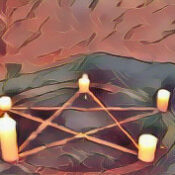

Understanding Why Pagan Witches Cast Circles
Every journey, no matter how long, begins with a single step. This is also true for those starting to explore magical studies. While the first step in a physical journey is usually obvious, the initial step in a magical journey can be less clear. Organized groups often provide structured lessons for newcomers. However, those studying alone may feel uncertain about where to begin. It is common to w...