
Author: A Solitary Pagan
Wildflower Seed Bombs
Seed bombs are a fun and eco-friendly craft that lets you spread the beauty of Ostara wherever you go. They’re great for attracting pollinators and adding bursts of color to bare patches of earth. What you’ll need: How to make them: Pro tip: Include a mix of flowers that bloom at different times to extend the season’s vibrancy. Crafting at Ostara is a way to honor the energy of spring, connect wit...
DIY Herb-Infused Ostara Candles
Candles are central to Ostara rituals, representing the growing sunlight and the goddess Eostre’s energy. Craft your own herb-infused candles to bring the scents and symbols of spring into your home. What you’ll need: How to make them: Pro tip: Use herbs that align with your intentions: rosemary for protection, lavender for peace or chamomile for balance.
Ostara Crafts
Ostara is the perfect time to channel your creativity and celebrate the themes of renewal and balance through hands-on projects. These crafts connect you to the energy of spring while incorporating natural, sustainable materials and a dash of magic. Naturally Dyed Eggs Decorating eggs is one of Ostara’s most beloved traditions, symbolizing fertility and the promise of new life. Skip the chemical d...
Ostara Feasts
Celebrate Ostara with a feast that honors spring’s abundance and the promise of growth. Fresh Greens: Nothing says spring like bright, fresh salads, featuring ingredients like spinach, arugula and edible flowers. Egg-Centric Dishes: Quiches, deviled eggs or frittatas bring fertility and renewal to the table. Seeded Breads: Baking bread with seeds, like sunflower or poppy, represents planting and a...
Springtime Mobile
A spring-themed mobile adds a touch of whimsy and Ostara magic to your space. Use natural materials to represent the elements and the energy of renewal. What you’ll need: How to make it: Pro tip: Use biodegradable materials if you plan to hang the mobile outdoors.

Painted Terracotta Pots
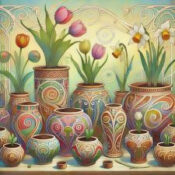
Spring Equinox, also known as Ostara , is a celebration of renewal, growth, and the return of light. Decorating terracotta pots for this festival is a meaningful way to honor these themes, as the act of planting seeds mirrors the intentions and hopes you wish to nurture in the coming season. To begin, gather your materials. You will need clean terracotta pots, acrylic or outdoor paint in colors th...

Spring Equinox Ritual A Spell for Balance and Growthth
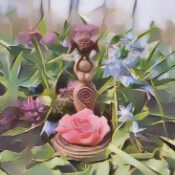
Spring Equinox, also known as the 0stara, is a time when day and night are of equal length, symbolizing a moment of perfect balance in the natural world. For many practitioners of modern witchcraft, this festival marks the return of light, the awakening of the earth, and the promise of new beginnings. Rituals performed at Spring Equinox often focus on themes of harmony, renewal, and the nurturing ...

Symbols of Ostara
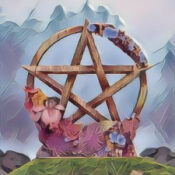
The symbols associated with Ostara are rich in meaning, each reflecting the renewal and awakening that comes with the arrival of spring. Ostara, celebrated at the Spring Equinox, marks the point when day and night are of equal length, symbolizing balance and the return of light to the world. Practitioners often incorporate these symbols into their rituals, altar decorations, and seasonal crafts, u...

Ostara Traditions Through Time
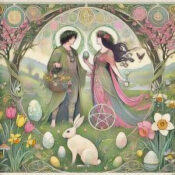
Today, Ostara is celebrated by blending ancient seasonal customs with modern practices. These traditions help people connect with the cycles of nature and recognize the balance between light and darkness. The festival of Ostara, also known as the Spring Equinox, marks the point in the year when day and night are of equal length. This moment of balance has been honored by many cultures throughout h...

The Meaning and Myth of Ostara
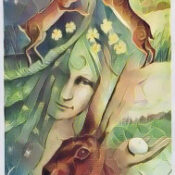
Ostara is widely believed to derive its name from the Anglo-Saxon goddess Eostre, sometimes spelled Ostara. The primary historical mention of Eostre comes from the Venerable Bede, an English monk writing in the 8th century. In his work, Bede described a festival held in Eostre’s honor during the month of “Eosturmonath,” which aligns with April in the modern calendar. This festival, according to Be...

The Spring Equinox & Ostara
The Spring Equinox, also known as the Vernal Equinox, marks a pivotal moment on the wheel of the year when day and night stand in perfect balance. This astronomical event occurs when the sun crosses the celestial equator, resulting in nearly equal hours of daylight and darkness across the globe. While the days will continue to lengthen after this point, the equinox itself is a powerful symbol of e...


What does Spring Equinox mean spiritually?
The Spring Equinox, also known as Ostara, holds significant spiritual meaning. It marks a moment of balance and renewal, when day and night are equal in length, and light begins to overcome darkness. This time is often seen as an opportunity to release the stagnation of winter, set new intentions for growth, and seek harmony between our inner and outer worlds. Several key spiritual themes are asso...