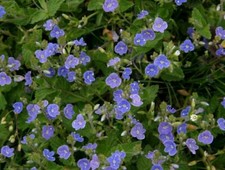
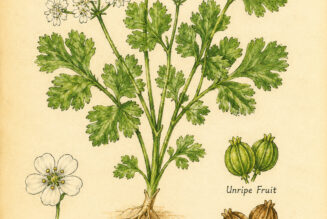
Germander (genus Teucrium) is a small flowering herb that has been valued for centuries in both traditional herbal practices and spiritual traditions. While it is not as widely known as herbs such as mugwort, rosemary, or sage, germander has found a place in some forms of modern Paganism and contemporary witchcraft because of its symbolic associations with protection, purification, and resilience. Its historical use in magical practice is largely drawn from European folk traditions rather than extensive ancient religious texts.
In many Pagan paths, plants are appreciated not only for their physical characteristics but also for the symbolic qualities they represent. Germander’s ability to thrive in poor soils and withstand harsh conditions has led some practitioners to associate it with endurance, strength, and perseverance. These qualities make it a meaningful herb for rituals focused on overcoming obstacles, personal growth, and maintaining spiritual balance during difficult times.
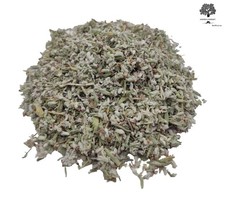
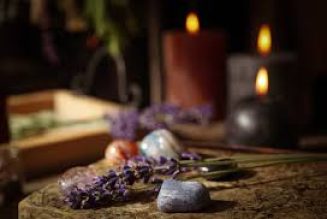
Within modern witchcraft, germander may be included in spellwork intended to promote protection or ward off unwanted influences. Practitioners sometimes place dried sprigs near doorways, windows, or altars as symbolic barriers against negative energy. Others incorporate the herb into charm bags, sachets, or herbal blends designed to encourage courage and confidence. As with many magical herbs, these practices vary widely depending on personal belief systems and individual traditions.
Germander can also be used as part of ritual cleansing. Rather than viewing the herb as possessing inherent supernatural powers, many contemporary Pagans understand its use as a way to focus intention and create meaningful ritual experiences. Burning dried herbs where it is safe and legal to do so, or displaying fresh sprigs on an altar, may serve as symbolic acts of purification and renewal. The emphasis is often placed on the practitioner’s intention rather than the plant itself.
It is important to note that there is limited historical evidence documenting germander as a major ritual herb in ancient Pagan religions. Much of its magical reputation comes from later European folk magic and modern spiritual practices that draw inspiration from historical traditions while adapting them for contemporary use. Today, germander remains a modest but respected herb among some practitioners who value its symbolism of protection, resilience, and spiritual cleansing as part of their personal devotional and magical work.