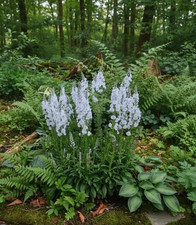
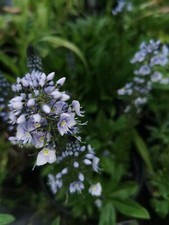
Gentian is a striking mountain plant known for its vivid blue flowers and intensely bitter roots. Throughout European folklore, traditional herbalism, and modern Pagan practices, gentian has earned a reputation as a plant of strength, protection, and resilience. While historical evidence for its magical use is less extensive than for herbs such as mugwort or rosemary, contemporary Pagan and witchcraft traditions often incorporate gentian into spiritual work inspired by folklore and herbal symbolism.
In many Pagan paths, plants are valued not only for their physical properties but also for the symbolic energies they represent. Gentian thrives in harsh alpine environments, making it a symbol of endurance, courage, and the ability to overcome adversity. Practitioners may use gentian in rituals focused on personal growth, perseverance, and inner strength during times of challenge.
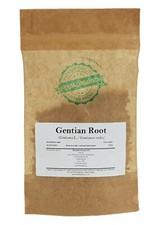
The root of the gentian plant is especially significant because of its deep connection to the earth. In magical symbolism, roots are often associated with grounding, stability, and ancestral wisdom. Some witches include dried gentian root in charm bags, spell jars, or altar offerings intended to promote resilience, protection, or a stronger connection to nature and the spirits of the land.
Gentian is also associated with purification. Although its historical use was primarily medicinal, some modern practitioners burn gentian in incense blends or place the dried herb on altars as a symbolic way to clear stagnant energy before ritual. Others carry a small piece of dried root as a protective talisman, believing it encourages confidence and emotional balance.
In seasonal Pagan celebrations, gentian’s brilliant blue flowers can represent the beauty and power of the natural world. They may be offered to deities connected with mountains, healing, or the wild landscape, or simply used as a reminder of nature’s resilience and sacred cycles.
As with many magical herbs, the use of gentian varies widely between traditions. There is no single, universally accepted magical correspondence, and many modern associations are based on personal practice, intuition, and contemporary herbal lore rather than documented ancient customs. Whether appreciated for its symbolism, folklore, or beauty, gentian remains a meaningful botanical ally for many Pagans and witches seeking strength, grounding, and a deeper connection with the living world.