The Four O’Clock (Mirabilis jalapa) is a beautiful flowering plant known for its unusual habit of opening its fragrant blooms in the late afternoon, usually around four o’clock, and remaining open throughout the evening. Native to Central and South America, this hardy perennial produces trumpet-shaped flowers in shades of pink, red, yellow, white, and even multicolored patterns on the same plant. Its sweet fragrance attracts nighttime pollinators such as moths, making it an important part of many evening gardens.
In pagan traditions, the Four O’Clock symbolizes the transition between day and night. Twilight has long been viewed as a liminal time—a moment when the veil between the physical and spiritual worlds is thought to be thinner. Because its blossoms awaken at dusk, the plant is associated with transformation, balance, and the mysteries of change. Many modern pagans include Four O’Clock flowers in seasonal celebrations that honor the cycles of nature, reminding practitioners that every ending also marks a new beginning.
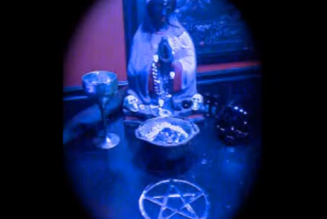
Within witchcraft and folk magic, Four O’Clock is valued more for its symbolic qualities than for any long-standing historical magical use. Its evening blooms are linked with intuition, dreams, hidden knowledge, and moon magic. Some practitioners place fresh flowers on an altar during rituals performed at sunset or beneath the full moon to encourage spiritual insight and inner reflection. The blossoms may also be added to spell jars, charm bags, or offerings intended to promote peace, harmony, and personal transformation.
The plant’s ability to produce flowers of different colors on a single plant has also made it a symbol of diversity, adaptability, and embracing life’s many possibilities. For this reason, it is sometimes used in rituals focused on personal growth, acceptance, and welcoming positive change.
Although the roots and seeds have been used in traditional herbal practices, parts of the Four O’Clock plant can be toxic if eaten. It should therefore be appreciated primarily as an ornamental and symbolic plant rather than as an herbal remedy unless guided by a qualified expert.
Whether admired for its vibrant flowers or its connection to the magic of dusk, the Four O’Clock remains a meaningful addition to pagan and witchcraft gardens, celebrating nature’s rhythms and the quiet enchantment of the evening hours.