We would like to disclose that this website may contain affiliate links. This means that if you click on a product link and make a purchase, we may earn a commission. As an Amazon & eBay Partner Network Associate, we earn from qualifying purchases.
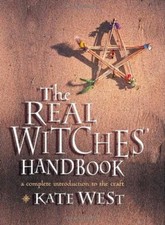
The Real Witches’ Craft is a practical guide to modern Wiccan practice written by Kate West. The book, often associated with beginners and intermediate practitioners, aims to bridge theory and everyday application of witchcraft. It covers ritual work, spellcraft, ethics, and foundational beliefs within a structured, accessible format. Rather than focusing on sensationalism, it presents witchcraft as a disciplined spiritual path rooted in responsibility and personal growth.
It explores core Wiccan tools, circle casting, lunar cycles, elemental correspondences, and energy manipulation techniques. The author emphasizes safety, consent, and grounding practices, which helps distinguish it from more loosely written popular occult books. Step-by-step instructions and reflective exercises make it especially useful for readers who prefer structured learning. The tone is instructional rather than mystical storytelling, which may appeal to those seeking practical application over mythic narrative. It also includes sections on developing intuition and maintaining a personal Book of Shadows, encouraging readers to document their progress and experiences.
One of the strengths of the book is its clarity and structured approach, making complex practices feel approachable. However, some experienced practitioners may find it somewhat rigid or introductory in scope, lacking deeper exploration of advanced magical theory. The writing occasionally leans toward repetition, reinforcing beginner concepts more than expanding on them. Despite this, its grounded tone and emphasis on ethical practice are valuable, especially for those new to Wicca. It functions best as a foundational text rather than a comprehensive or advanced reference guide.
Overall, The Real Witches’ Craft remains a solid entry point into Wiccan study, particularly for readers seeking structure and clarity in their spiritual practice. It encourages discipline, ethical awareness, and personal reflection without overwhelming the reader. While it may not satisfy advanced practitioners looking for depth, it succeeds as a stepping stone into further exploration of witchcraft traditions. Readers who approach it with realistic expectations will likely appreciate its straightforward structure and practical tone, even if they eventually move on to more detailed or tradition-specific texts within modern Pagan literature. It remains widely recommended for beginners exploring contemporary Wicca practices in a structured way today across introductory courses.