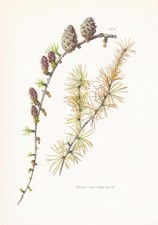
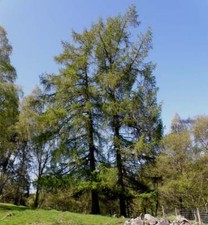
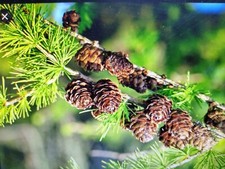
The European Larch (Larix decidua) is a unique conifer native to the mountainous regions of central Europe. Unlike most conifer trees, it is deciduous, meaning it sheds its soft, bright green needles each autumn before growing fresh ones in spring. This annual cycle of loss and renewal has made the European Larch a powerful symbol of resilience, transformation, and hope. It can grow over 40 metres tall and is valued for its strong, durable timber, which has long been used in construction, boat building, and outdoor structures because of its natural resistance to decay.
In European folklore and pre-Christian pagan traditions, the European Larch was admired as a tree that demonstrated the natural rhythm of death and rebirth. Its ability to survive harsh winters and return each spring with vibrant new growth reflected the endless cycle of the seasons, making it a symbol of endurance and spiritual renewal. Some communities believed that spending time beneath a larch tree could encourage emotional healing, fresh beginnings, and inner strength during times of change.
In modern paganism and witchcraft, the European Larch is associated with protection, perseverance, and personal transformation. Its wood may be used to create ritual tools, staffs, or protective charms, while its branches are sometimes placed around sacred spaces to promote stability and ward away unwanted influences. Because the tree willingly lets go of its needles each year, it is often included in rituals focused on releasing old habits, healing from the past, or preparing for a new stage in life.
The European Larch is also linked to patience and adaptability. Practitioners may meditate near the tree or carry a small piece of naturally fallen larch wood as a reminder that growth often follows periods of hardship. Its energy is considered grounding yet encouraging, helping individuals remain strong while embracing necessary change.
Today, the European Larch remains both an important forest tree and a meaningful spiritual symbol. Whether appreciated for its ecological value, impressive longevity, or its place in pagan and magical traditions, it continues to represent the enduring power of renewal, protection, and the wisdom found in nature’s ever-changing cycles.