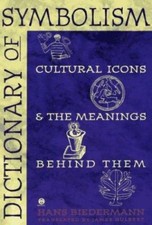
Dictionary of Symbolism: Cultural Icons and the Meanings Behind Them is an engaging reference work that explores the hidden meanings embedded within symbols, images, rituals, colors, animals, objects, and cultural practices across civilizations. More than a conventional dictionary, the book functions as a guide to understanding how societies create meaning through shared symbols and how these meanings continue to influence art, religion, literature, and everyday life.
One of the book’s strongest features is its accessibility. Entries are written in a straightforward style, allowing both academic readers and casual enthusiasts to navigate complex cultural ideas without feeling overwhelmed. The organization of the material makes it easy to use either as a reference source or as a book for continuous reading, where one concept naturally leads to another.
The breadth of coverage is particularly impressive. The text draws connections among symbols from different historical periods and geographical regions, demonstrating how similar images may carry distinct interpretations depending on cultural context. This comparative approach encourages readers to think critically about the universality and diversity of symbolic language.
Another notable strength is the book’s interdisciplinary value. Students of literature, anthropology, history, religious studies, and visual arts will find the material useful for interpreting texts and cultural artifacts. Readers interested in mythology and popular culture may also appreciate how ancient symbolic traditions continue to shape modern storytelling and media.
However, the dictionary format occasionally limits deeper exploration. Some readers may wish for longer discussions or more detailed historical analysis for certain entries. Because symbolism is often subjective and culturally layered, concise explanations sometimes simplify ideas that deserve greater nuance.
Overall, Dictionary of Symbolism: Cultural Icons and the Meanings Behind Them succeeds as an informative and thought-provoking resource. It invites readers to look beyond surface meanings and recognize the symbolic systems that shape human communication and cultural identity. For anyone curious about the language of symbols, this book serves as both a practical reference and an intellectually rewarding read.