Desert Tobacco (Nicotiana attenuata) is a hardy flowering plant native to the arid regions of North America. Closely related to cultivated tobacco, it thrives in dry soils and is known for its pale green leaves and long, trumpet-shaped white flowers that open in the evening. For many Indigenous peoples of the American Southwest, Desert Tobacco has long been regarded as a sacred plant used in ceremonies, prayer, and offerings. It is important to recognize that these traditional spiritual practices belong to specific Indigenous cultures and should be approached with respect rather than treated as part of modern pagan traditions.
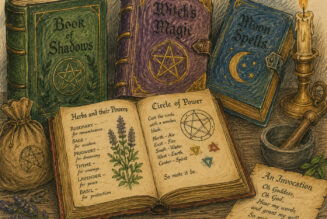
In contemporary paganism and witchcraft, Desert Tobacco is valued more for its symbolic qualities than for physical use. Many practitioners associate it with purification, communication with spirits, protection, and the element of air. The plant is sometimes placed on altars as an offering to ancestors, land spirits, or deities, symbolizing gratitude, respect, and the exchange of energy between the physical and spiritual worlds.
Some witches include dried Desert Tobacco in ritual sachets, charm bags, or spell jars intended for protection, boundary setting, or spiritual cleansing. Others may leave a small pinch of the dried leaves outdoors as an offering before beginning a magical working or seeking guidance through meditation. Because of its long-standing ceremonial role among Indigenous communities, many practitioners avoid burning or using Desert Tobacco in ways that imitate sacred Indigenous rites, choosing instead to honor the plant in their own respectful and culturally appropriate practices.
Magically, Desert Tobacco is often linked with truth, prayers carried on the wind, and strengthening one’s connection to the unseen world. It is believed to encourage honest communication, deepen meditation, and help practitioners focus their intentions during rituals. As with many magical herbs, these associations arise from folklore and modern spiritual traditions rather than scientific evidence.
Although Desert Tobacco holds a respected place in many magical practices, it should be handled with care. Like other tobacco species, it contains nicotine and can be toxic if ingested or misused. Whether appreciated for its striking beauty, historical significance, or spiritual symbolism, Desert Tobacco remains a plant that encourages reverence, mindfulness, and respect for both nature and the cultures that have treasured it for generations.