We would like to disclose that this website may contain affiliate links. This means that if you click on a product link and make a purchase, we may earn a commission. As an Amazon & eBay Partner Network Associate, we earn from qualifying purchases.
Oracle cards are a popular spiritual and self-reflection tool used by people seeking guidance, clarity, and inspiration. Similar to tarot cards, oracle cards are designed to help users connect with their intuition and explore personal insights. However, unlike tarot decks, oracle cards are not bound by a fixed structure or traditional symbolism. This flexibility has contributed to their growing appeal among beginners and experienced spiritual practitioners alike.
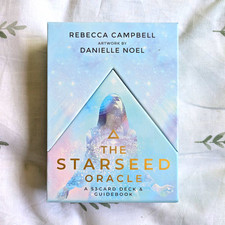
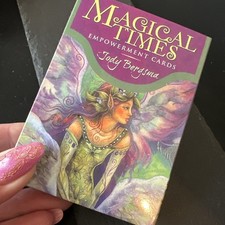
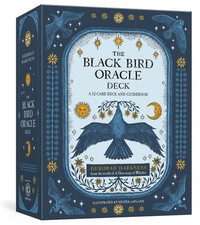
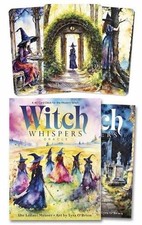
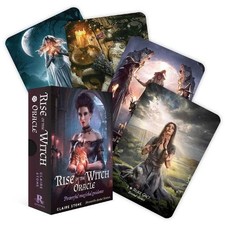
An oracle card deck can contain any number of cards and follow virtually any theme. Some decks focus on angels, animals, chakras, affirmations, nature, or healing, while others are designed around personal growth, mindfulness, or emotional well-being. The artwork on oracle cards is often vibrant and symbolic, encouraging emotional and intuitive responses from the reader. Each card usually contains an image, a title, and a short message or keyword that offers guidance or reflection.
One of the main differences between oracle cards and tarot cards is structure. Traditional tarot decks consist of 78 cards divided into the Major and Minor Arcana, each with established meanings developed over centuries. Oracle cards, on the other hand, are far less rigid. Creators have complete freedom to design their decks according to their vision and spiritual philosophy. This makes oracle cards more accessible to newcomers who may find tarot’s complex symbolism intimidating.
Using oracle cards is a simple and personal process. Most readers begin by shuffling the deck while focusing on a question, intention, or area of concern. The cards are then drawn individually or arranged in a spread. The meaning of each card is interpreted through intuition, symbolism, and the guidebook that typically accompanies the deck. Unlike fortune-telling tools that claim to predict the future with certainty, oracle cards are often viewed as instruments for self-discovery and reflection.
People use oracle cards for many reasons. Some turn to them during times of uncertainty or emotional stress to gain perspective and reassurance. Others incorporate them into meditation, journaling, or daily spiritual practices. Drawing a single card each morning, for example, can provide a theme or affirmation for the day ahead. The process can encourage mindfulness, self-awareness, and emotional clarity.
The popularity of oracle cards has increased significantly in recent years, partly due to the growing interest in spirituality, wellness, and holistic self-care. Social media platforms have also played a role in introducing oracle card reading to wider audiences. Many creators and readers share daily card pulls, tutorials, and interpretations online, making the practice more approachable and visually appealing.
Despite their spiritual associations, oracle cards are not tied to any specific religion or belief system. People from diverse backgrounds use them in different ways. For some, the cards are deeply spiritual and serve as a channel for divine guidance. For others, they are simply creative tools for introspection and psychological insight. Skeptics may view oracle readings as a form of reflective thinking rather than supernatural communication, but even critics acknowledge the value of pausing to reflect on emotions and personal challenges.
Choosing an oracle deck is often a highly personal experience. Many readers recommend selecting a deck based on intuition and emotional connection to the artwork and messages. Because there are thousands of oracle decks available, individuals can easily find themes that resonate with their interests and beliefs. Some people collect multiple decks and use different ones depending on their mood or purpose.
Another appealing aspect of oracle cards is their adaptability. There are no strict rules about how the cards must be read, making the experience highly individualized. Readers are encouraged to trust their instincts and interpret messages in ways that feel meaningful to them. This freedom allows users to develop a unique relationship with their deck over time.
Critics sometimes argue that oracle cards rely heavily on vague interpretations and confirmation bias. Since card meanings are often broad and open-ended, readers may unconsciously apply them to situations in ways that reinforce existing beliefs. However, supporters contend that the cards are not meant to provide absolute answers but rather to spark reflection and encourage deeper awareness.
In conclusion, oracle cards are versatile tools that combine art, intuition, and self-reflection. Whether used for spiritual guidance, personal growth, or daily inspiration, they offer individuals an opportunity to slow down and connect with their inner thoughts and emotions. Their flexibility, accessibility, and creative diversity continue to attract people seeking meaningful ways to explore themselves and navigate life’s uncertainties.