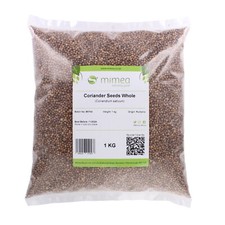
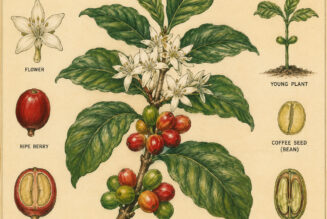
Coriander seed comes from the coriander plant, scientifically known as Coriandrum sativum. This aromatic annual herb belongs to the parsley family and has been cultivated for thousands of years across Europe, Asia, North Africa, and the Middle East. While the fresh leaves are commonly called cilantro, the dried fruits of the plant are known as coriander seeds. These small, round seeds have a warm, slightly sweet flavor with hints of citrus, making them a popular ingredient in cooking, traditional medicine, and spiritual practices.
Historically, coriander was valued by ancient civilizations, including the Egyptians, Greeks, and Romans. It was used as a seasoning, a medicinal remedy, and even placed in tombs as a symbol of preservation and abundance. The seeds were believed to possess properties that could strengthen the body and attract good fortune.
In pagan traditions and witchcraft, coriander seed is often associated with protection, love, healing, and prosperity. Many practitioners consider it a solar herb because of its warm energy and golden-brown color. It is frequently used in spells and rituals designed to attract wealth, success, and positive opportunities. Coriander seeds may be carried in charm bags, added to money-drawing sachets, or sprinkled around a home to encourage abundance and ward off negative influences.
Love magic is another common association. Some folk traditions suggest that coriander can help strengthen relationships, encourage affection, and attract romantic energy. The seeds are sometimes included in love charms, incense blends, or ritual baths intended to foster emotional connection and harmony.
For protection work, coriander seed is often burned as incense or combined with other protective herbs. Many modern witches believe its scent helps clear stagnant energy and create a peaceful atmosphere. It is also used in purification rituals before meditation, spellwork, or seasonal pagan celebrations.
Today, coriander seed remains a respected herb in many magical traditions. Whether used for prosperity, protection, love, or spiritual cleansing, it continues to hold an important place in contemporary pagan and witchcraft practices, connecting modern practitioners with centuries of herbal folklore and mystical tradition.