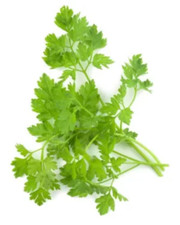
Chervil Root, derived from the plant Chaerophyllum bulbosum, is a lesser-known member of the carrot family that has long been valued for both its culinary and symbolic qualities. While its sweet, chestnut-like root has been cultivated as a food source in parts of Europe, folk traditions also associate the plant with themes of growth, fertility, and hidden wisdom. Although Chervil Root is not among the most prominent magical herbs, it occupies a quiet place within certain pagan and witchcraft practices.
In pagan traditions, plants were often revered as gifts from the Earth, each carrying a unique spiritual essence. Chervil Root, growing beneath the soil, came to symbolize hidden knowledge, inner transformation, and the mysteries that lie beneath the surface of everyday life. Its underground growth connected it with the element of Earth, making it a useful symbol in rituals focused on grounding, stability, and connection to nature.
Some modern practitioners of witchcraft use Chervil Root in spells and charms related to abundance and prosperity. Because the plant develops a nourishing root beneath the ground before revealing its full growth, it is sometimes viewed as a reminder that worthwhile achievements require patience and unseen preparation. The root may be placed on an altar, carried in a charm bag, or incorporated into seasonal rites celebrating harvest and fertility.
Chervil itself has also been linked to purification and protection in European folk magic. Herbal bundles containing chervil were occasionally believed to ward off negative influences and promote harmony within the home. In contemporary pagan practice, the root may be used during meditation or ritual work intended to uncover hidden truths, encourage self-discovery, or strengthen one’s bond with the natural world.
As with many magical herbs, the significance of Chervil Root varies between traditions and practitioners. Historical evidence for its direct use in ancient pagan rituals is limited, but its symbolic associations align naturally with common pagan themes of fertility, abundance, Earth energy, and personal growth. Today, Chervil Root remains a subtle yet meaningful botanical ally for those who seek wisdom in nature and wish to honor the enduring relationship between plants, spirituality, and the cycles of life.