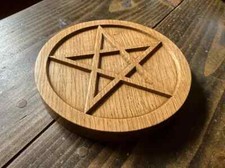
Ceremonial magic is a structured and ritualistic form of magical practice that draws upon symbolism, sacred texts, invocations, and carefully designed ceremonies. Unlike folk magic, which often relies on simple charms and practical spells, ceremonial magic emphasizes formal ritual, spiritual discipline, and the use of symbolic tools such as wands, pentacles, robes, and ritual circles. Its roots can be traced to ancient Egyptian, Greek, Jewish, and Christian mystical traditions, as well as Renaissance occultism.
Within modern Paganism, ceremonial magic occupies a unique position. Many Pagan traditions focus on honoring nature, seasonal cycles, and a variety of deities. Ceremonial practices are often incorporated into these traditions to create sacred space, invoke divine energies, and deepen spiritual experiences. Some Pagan groups use ceremonial techniques to enhance rituals celebrating the solstices, equinoxes, and other sacred festivals. The structured nature of ceremonial magic can provide practitioners with a sense of connection to ancient mysteries and spiritual forces.
In contemporary witchcraft, ceremonial magic is both embraced and adapted. Traditional forms of witchcraft often emphasize intuitive practices, personal empowerment, and a close relationship with nature. However, many witches also incorporate ceremonial elements into their craft. Casting a circle, calling the four elemental directions, and invoking deities are examples of ceremonial actions commonly found in modern witchcraft traditions such as Wicca.
The relationship between ceremonial magic and witchcraft has not always been straightforward. Historically, ceremonial magic was often associated with learned scholars and occult orders, while witchcraft was linked to folk traditions and local customs. Over time, these distinctions have become less rigid. Today, many practitioners blend ceremonial techniques with folk magic, creating personalized spiritual paths that reflect their beliefs and goals.
Ceremonial magic remains an important aspect of both Paganism and witchcraft because it offers a framework for spiritual exploration, transformation, and connection with the divine. Whether practiced as part of an established tradition or incorporated into an individual path, ceremonial magic continues to influence modern magical and spiritual communities, bridging ancient wisdom with contemporary practice.