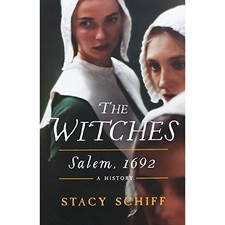
The Witches: Salem, 1692 is a fascinating and deeply researched account of one of the darkest episodes in American history. Written by Pulitzer Prize-winning author Stacy Schiff, the book explores the Salem witch trials of 1692 with remarkable detail, combining historical evidence with vivid storytelling. Rather than presenting the trials as a simple tale of superstition, Schiff examines the political, religious, and social tensions that allowed fear and suspicion to spread throughout Salem.
One of the book’s greatest strengths is its ability to bring historical figures to life. Schiff describes the accusers, the accused, and the judges with such clarity that readers can easily imagine the fear and confusion that dominated the town. The author carefully explains how personal rivalries, religious extremism, and community divisions contributed to the hysteria. As a result, the book feels less like a history textbook and more like a dramatic novel.
The writing style is elegant and engaging, making complex historical events accessible to modern readers. Schiff’s descriptions of Puritan society help readers understand how deeply religion influenced daily life and why accusations of witchcraft were taken so seriously. Her attention to detail also highlights the tragic consequences of mass panic and blind belief. At times, the amount of information can feel overwhelming, especially for readers unfamiliar with early American history, but the richness of the research adds credibility and depth to the narrative.
Another impressive aspect of the book is its relevance to modern society. Schiff subtly reminds readers how fear, misinformation, and public pressure can lead to injustice. The Salem trials become more than a historical event; they serve as a warning about the dangers of intolerance and collective hysteria.
Overall, The Witches: Salem, 1692 is an outstanding historical work that combines scholarship with compelling storytelling. It is both informative and emotionally powerful, offering readers a deeper understanding of a tragic chapter in history. Anyone interested in American history, psychology, or social conflict will find this book rewarding and thought-provoking.