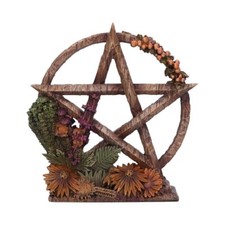
Litha, also known as the Summer Solstice, is one of the most significant festivals in modern Paganism and witchcraft. Celebrated around June 20–21 in the Northern Hemisphere, Litha marks the longest day and shortest night of the year. It is a time when the sun reaches the height of its power, bathing the earth in warmth, light, and abundance.
The festival has roots in ancient European traditions that honored the sun and the life-giving energy it provides. For many Pagans, Litha represents the peak of the agricultural cycle, when crops are growing strongly and nature is flourishing. It is a celebration of vitality, fertility, and the richness of the natural world.
In Pagan belief systems, particularly within Wicca, Litha is one of the eight Sabbats that make up the Wheel of the Year. These seasonal festivals mark important turning points in nature’s cycle. While Litha celebrates the sun’s greatest strength, it also serves as a reminder that from this point onward, daylight gradually begins to decrease. This balance between growth and decline reflects the natural rhythms of life, death, and rebirth that are central to many Pagan traditions.
For witches, Litha is a powerful time for magic and spiritual work. The heightened solar energy is believed to amplify spells related to success, prosperity, courage, healing, and personal empowerment. Rituals often take place outdoors, where practitioners can connect directly with the energy of the sun and the earth. Bonfires, candle magic, and the gathering of herbs are common traditions associated with the season.
Many modern celebrations include decorating altars with sunflowers, oak leaves, roses, and other symbols of summer. Feasts featuring seasonal fruits, honey, and fresh vegetables are also common. Some practitioners spend time reflecting on their achievements and setting intentions for the months ahead.
Ultimately, Litha is a celebration of light, abundance, and the sacred connection between humanity and nature. Whether observed through ritual, meditation, or simply enjoying the beauty of a summer day, it offers an opportunity to honor the sun’s power and embrace the fullness of life at its seasonal peak.