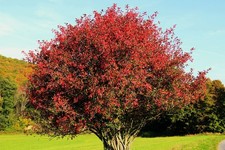
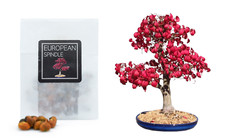
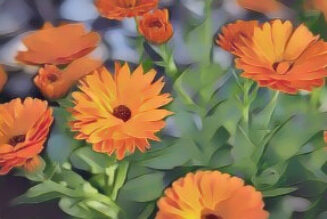
The European Spindle (Euonymus europaeus) is a deciduous shrub or small tree native to much of Europe and parts of western Asia. It is easily recognized by its bright pink seed capsules, which split open in autumn to reveal vivid orange seeds. During the growing season, it has oval green leaves that turn brilliant shades of red and crimson before falling, making it one of the most striking plants in the autumn landscape. European Spindle commonly grows in woodlands, hedgerows, and chalky soils, where it provides food and shelter for wildlife. Although beautiful, nearly all parts of the plant are poisonous to humans if consumed, so it should be admired rather than handled carelessly.
Throughout European folklore, the European Spindle has long been associated with mystery, fate, and protection. The wood is exceptionally hard and smooth, making it ideal for crafting spindles, weaving tools, knitting needles, and small carvings. Since spinning thread has traditionally symbolized the weaving of destiny, the plant naturally became connected with the ancient idea that life’s path is spun by unseen forces.
In modern paganism and witchcraft, the European Spindle is often regarded as a tree of transformation and the turning of life’s cycles. Its vivid autumn colours and unusual fruit represent change, endings, and new beginnings, making it especially meaningful during seasonal festivals such as Samhain, when many practitioners honour ancestors and reflect on the cycle of life, death, and renewal.
Some witches use fallen twigs from the European Spindle in protective charms, ritual wands, or altar decorations. Because of its historical connection with spinning and weaving, it may also be included in spells focused on destiny, personal growth, or untangling complicated situations. The shrub is believed by some traditions to encourage wise decisions and help practitioners adapt to inevitable change.
As with many magical plants, there is little historical evidence that the European Spindle was universally used in ancient pagan rituals. Much of its modern magical symbolism comes from folklore, traditional herbal lore, and contemporary pagan practices rather than documented ancient ceremonies. Even so, its striking appearance, enduring symbolism, and connection to the ancient craft of spinning continue to make the European Spindle a respected and evocative plant within modern nature-based spiritual traditions.