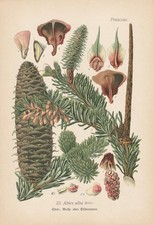
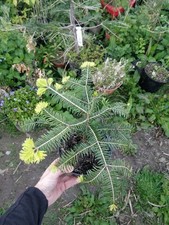
The European Silver Fir (Abies alba) is a majestic evergreen tree native to the mountainous forests of central and southern Europe. It is easily recognized by its tall, straight trunk, smooth silvery-gray bark, flat dark green needles, and upright cones that grow high in its branches. Some trees can live for several hundred years, making them enduring symbols of strength, resilience, and wisdom. Silver firs thrive in cool, moist climates and play an important role in forest ecosystems by providing shelter and food for wildlife.
In many ancient European cultures, evergreen trees like the European Silver Fir were admired because they remained green throughout the winter. This constant vitality made them powerful symbols of eternal life, hope, renewal, and the enduring cycle of nature. Although different regions honored different sacred trees, firs were often associated with the life-giving spirit of the forest and the promise that spring would always return after the darkness of winter.
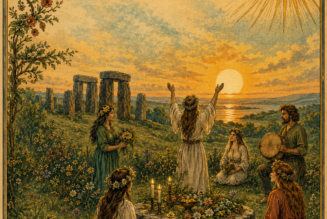
In modern Pagan traditions, including some forms of Wicca and nature-based spirituality, the European Silver Fir represents protection, endurance, purification, and spiritual growth. Its evergreen branches are sometimes used to decorate altars during the Winter Solstice, or Yule, celebrating the return of the sun and the gradual lengthening of the days. The fresh scent of its needles is also valued for creating a calm and peaceful atmosphere during meditation or seasonal rituals.
In witchcraft practices, the European Silver Fir is commonly associated with cleansing and protection rather than dramatic magical effects. Small sprigs may be placed around the home or incorporated into charms intended to symbolize resilience, stability, and positive energy. Some practitioners burn fallen needles or naturally shed wood as incense during rituals focused on renewal, while others carry a small piece of fir wood as a reminder to remain grounded and steadfast during times of change. These practices are based on spiritual traditions and personal beliefs rather than scientific evidence.
Today, the European Silver Fir continues to be appreciated for both its natural beauty and its symbolic meaning. Whether admired in ancient forests or included in modern spiritual practices, it remains a lasting emblem of endurance, hope, and the enduring connection between humanity and the natural world.