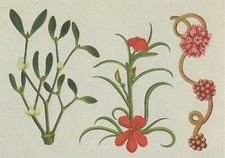
European mistletoe (Viscum album) is a unique evergreen plant that grows on the branches of trees such as oak, apple, poplar, and hawthorn. Unlike most plants, it is a semi-parasite, drawing water and nutrients from its host tree while still producing its own food through photosynthesis. Its rounded clusters of green leaves and small white berries remain vibrant throughout the winter, making it a striking symbol of life during the coldest months of the year.
For thousands of years, European mistletoe has held a special place in European folklore and spiritual traditions. Ancient Celtic Druids regarded it as one of the most sacred plants, especially when it was found growing on oak trees. According to historical accounts, mistletoe was ceremonially harvested with a golden sickle during sacred rituals and was believed to possess powerful healing and protective qualities. It symbolized divine blessing, fertility, and the connection between heaven and earth.
In modern Pagan traditions, including many forms of Wicca, mistletoe continues to represent peace, renewal, protection, and the enduring cycle of life. Because it stays green throughout winter, it is often associated with the Winter Solstice, or Yule, celebrating hope and the promise of returning light. Hanging mistletoe in the home is believed by some practitioners to ward off negative energy and encourage harmony, love, and good fortune.
In witchcraft, European mistletoe is often included in protection spells, blessings, and rituals focused on healing and spiritual growth. Some practitioners use dried leaves or twigs in charm bags, while others place sprigs above doorways to create a protective barrier. It is also connected with fertility, reconciliation, and strengthening family bonds. Many believe it can help foster inner peace and encourage positive relationships.
Although mistletoe has a long history of medicinal use, it should never be consumed without professional guidance because its berries and other parts of the plant can be toxic to humans and many animals. Today, European mistletoe remains one of the most recognizable sacred plants in Paganism and witchcraft, valued as a symbol of resilience, protection, love, and the enduring magic of nature.