The European Hazel (Corylus avellana) is a small deciduous tree or large shrub native to Europe and parts of western Asia. It is well known for producing edible hazelnuts and for its smooth grey bark, rounded leaves, and long yellow catkins that appear in late winter before the leaves emerge. Hazel thrives in woodland edges, hedgerows, and open forests, where it provides food and shelter for birds, insects, and small mammals. It is a hardy, fast-growing plant that has been valued by people for thousands of years for its nuts, flexible wood, and practical uses in basket weaving, fencing, and walking sticks.
Beyond its practical value, the European Hazel has long held a special place in pagan traditions and folklore. In many Celtic beliefs, hazel was regarded as the tree of wisdom and inspiration. Ancient legends tell of sacred hazel trees growing beside magical wells, where their nuts fell into the water and were eaten by salmon, granting them great knowledge. Because of this connection, hazel became a symbol of learning, creativity, and hidden wisdom.
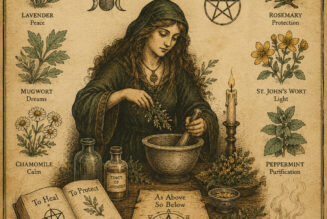
In modern paganism and witchcraft, hazel is associated with intuition, protection, divination, and spiritual insight. Many practitioners use hazel wood to craft wands, dowsing rods, or ritual staffs, believing it helps channel magical energy and strengthen psychic abilities. Hazel branches have traditionally been used for water divining, reflecting the tree’s strong association with hidden things and unseen forces.
Hazelnuts are sometimes included in spells or rituals focused on wisdom, prosperity, fertility, and personal growth. The tree is also thought to offer protection against negative influences, making hazel twigs or leaves popular additions to protective charms and sacred spaces. Some traditions suggest planting a hazel tree near the home to encourage harmony, abundance, and good fortune.
Today, the European Hazel continues to be appreciated both for its ecological importance and its enduring place in spiritual practice. Whether admired for its nutritious nuts, its role in supporting wildlife, or its rich symbolism in paganism and witchcraft, hazel remains a tree that represents knowledge, resilience, and the quiet power of nature.