We would like to disclose that this website may contain affiliate links. This means that if you click on a product link and make a purchase, we may earn a commission. As an Amazon & eBay Partner Network Associate, we earn from qualifying purchases.
For many modern pagans and practitioners of witchcraft, the cauldron is far more than a cooking pot. Deeply rooted in folklore, mythology, and ritual tradition, the witch’s cauldron symbolizes transformation, rebirth, intuition, and the sacred feminine. Found in spiritual practices across Celtic traditions, Wicca, and contemporary paganism, the cauldron remains one of the most recognizable and meaningful ritual tools used today.
Historically, cauldrons were practical household items made from iron or bronze and suspended over an open fire for cooking, brewing herbs, or preparing medicines. Over time, they became associated with magic and mystery. In Celtic mythology, magical cauldrons were believed to possess extraordinary powers. The cauldron of the goddess Cerridwen, for example, was said to grant wisdom and inspiration, while other mythic cauldrons symbolized abundance, healing, and resurrection.
In modern pagan traditions, the cauldron often represents the womb of the Goddess — a sacred vessel of creation and transformation. Its rounded shape symbolizes fertility, cycles of life, and the hidden depths of intuition. The element most commonly associated with the cauldron is water, though it can also represent earth and fire depending on how it is used in ritual.
One of the primary purposes of a pagan witch’s cauldron is ritual work. Many practitioners use it as a focal point on an altar during ceremonies, sabbats, moon rituals, or spellwork. It acts as a container where spiritual intentions are symbolically transformed into reality. Herbs may be burned inside it, petitions may be placed within it, or ritual offerings may be made through it. Because it safely contains fire, the cauldron is especially useful for burning incense, candles, bay leaves, or written spells.
Another common use for the cauldron is in cleansing and purification rituals. Burning dried herbs such as sage, rosemary, mugwort, or lavender inside the cauldron allows the practitioner to cleanse a ritual space or themselves spiritually. The cauldron becomes a sacred container where negative energy is symbolically destroyed and transformed. Some practitioners also fill their cauldrons with moon water, crystals, flowers, or salt during lunar rituals to amplify spiritual intentions.
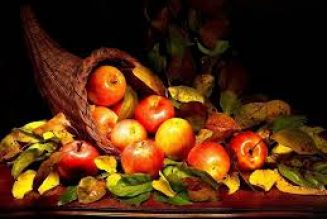
Cauldrons are also widely used in manifestation and spellcraft. A practitioner may write a goal or desire on paper and safely burn it inside the cauldron as a symbolic act of release and transformation. In candle magic, the cauldron often acts as a heat-safe vessel beneath candles or as a container for melted wax and ritual herbs. During seasonal celebrations such as Samhain or Beltane, cauldrons may be filled with offerings, autumn leaves, flowers, or symbolic items connected to the season.
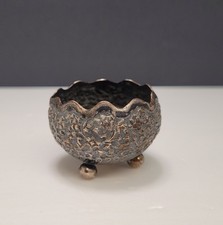
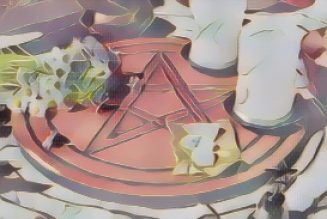
Choosing a cauldron depends largely on personal preference and intended use. Traditional cauldrons are made from cast iron because of their durability and heat resistance. Small tabletop cauldrons are popular for altar work and incense burning, while larger ones may be used outdoors during ceremonies involving fire. Some practitioners decorate their cauldrons with symbols such as pentacles, moons, spirals, or runes to personalize them spiritually.
Before using a cauldron in ritual, many pagans spiritually cleanse and dedicate it. This process may involve washing it with salt water, passing it through incense smoke, or blessing it with spoken intention. Dedicating the cauldron creates a spiritual connection between the practitioner and the tool, transforming it from an ordinary object into a sacred ritual vessel.
To use a cauldron in a simple ritual, begin by placing it securely on a heat-safe surface or altar. Decide on the purpose of the ritual — whether it is cleansing, manifestation, meditation, or honoring a seasonal festival. Add symbolic ingredients such as herbs, crystals, written intentions, or candles. If burning materials inside the cauldron, ensure proper ventilation and fire safety. As the ritual unfolds, focus clearly on your intention and visualize transformation taking place within the vessel.
Many practitioners also use the cauldron for meditation and reflection. Gazing into water placed inside the cauldron, similar to scrying, can help encourage intuition and inner insight. Others use it during shadow work or spiritual journaling sessions as a symbol of emotional depth and personal transformation.
Ultimately, the pagan witch’s cauldron serves as a symbol of change, mystery, and sacred power. Whether used for practical spellwork, seasonal rituals, or spiritual reflection, it represents the ability to transform energy, ideas, and intentions into something meaningful. Its enduring presence in pagan traditions speaks to humanity’s timeless fascination with transformation, magic, and the unseen forces of nature.