Witchcraft in the U.S. state of Pennsylvania has a long and fascinating history shaped by religion, folklore, and cultural traditions. During the colonial period, many settlers strongly believed in supernatural powers and feared that witches could cause illness, crop failure, or bad luck. Although Pennsylvania was more tolerant than some colonies, stories about witchcraft still spread among local communities.
Unlike the famous witch trials in Massachusetts, Pennsylvania experienced fewer accusations and executions. This was partly because the colony’s founder, William Penn, promoted religious freedom and fair treatment under the law. Even so, some residents continued to believe in magical practices, charms, and fortune-telling. In rural areas, people often relied on folk healers, sometimes called “powwowers” or “brauchers,” who used prayers, herbs, and rituals to heal sickness or protect families from evil spirits.
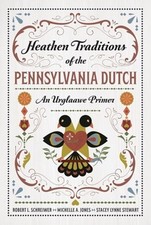
Pennsylvania Dutch communities played an important role in the development of these traditions. The term “Pennsylvania Dutch” refers to German-speaking immigrants who brought European folk beliefs with them to America. Their practices mixed Christianity with superstition and traditional healing methods. Some people viewed these customs as harmless, while others feared they were connected to witchcraft.
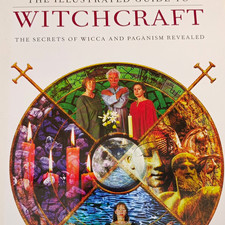
In modern times, witchcraft in Pennsylvania is usually associated with spiritual movements such as Wicca and modern paganism. Many practitioners today see witchcraft as a peaceful religion focused on nature, personal growth, and respect for the environment. Festivals, gatherings, and educational events are held across the state to celebrate these beliefs and traditions.
Pennsylvania is also known for ghost stories and mysterious legends linked to witchcraft. Places such as old cemeteries, abandoned villages, and historic towns attract visitors interested in the supernatural. These stories continue to influence local culture, literature, and tourism.
Overall, witchcraft in Pennsylvania reflects a blend of history, fear, folklore, and spirituality. From colonial superstitions to modern religious practices, it remains an important and intriguing part of the state’s cultural heritage.