he Lost Language of Symbolism is a thought-provoking and intellectually rich book that explores the forgotten meanings behind symbols used throughout history, religion, mythology, and art. The author presents the idea that symbols were once a universal language through which ancient civilizations communicated spiritual truths, philosophical ideas, and deeper understandings of human existence. In today’s modern world, where literal interpretation dominates communication, the book argues that humanity has largely lost touch with this symbolic mode of thinking.
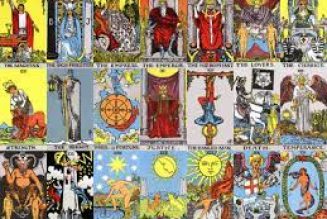
One of the book’s greatest strengths is its depth of research. The author draws from a wide range of traditions, including Egyptian mythology, Greek philosophy, Christianity, Eastern spirituality, and medieval mysticism. This broad perspective allows readers to see how similar symbols—such as the circle, serpent, tree, or light—appear repeatedly across cultures with related meanings. The discussion is both educational and fascinating, encouraging readers to reconsider symbols they may encounter in everyday life.
The writing style is sophisticated yet engaging. Although some sections are dense and philosophical, the author explains complex ideas with clarity and passion. Readers interested in psychology, spirituality, literature, or history will likely appreciate the detailed interpretations and historical connections. The book also invites reflection on how symbolism influences dreams, rituals, architecture, and even modern media.
However, the book may not appeal to everyone. Some readers may find the analysis overly abstract or repetitive, especially if they prefer straightforward historical facts rather than symbolic interpretation. In certain chapters, the author’s arguments rely heavily on speculation and spiritual assumptions that may not convince skeptical audiences. Additionally, the academic tone can occasionally slow the pace of reading.
Despite these minor limitations, The Lost Language of Symbolism remains a compelling and insightful work. It successfully encourages readers to look beyond surface appearances and rediscover the hidden meanings embedded in culture and human consciousness. The book is especially valuable for those interested in the relationship between symbols, spirituality, and human understanding. Overall, it is an enlightening read that challenges modern readers to reconnect with a deeper and more imaginative way of interpreting the world.