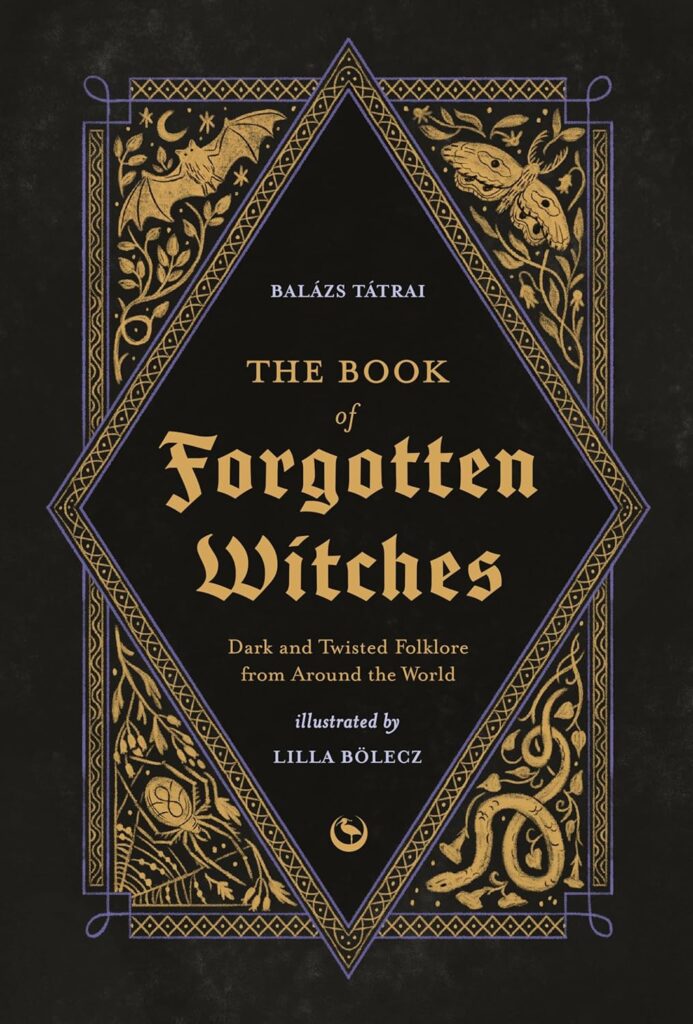
“The Book of Forgotten Witches: Dark & Twisted Folklore & Stories from Around the World” offers a comprehensive and immersive exploration into the hidden history of witchcraft, tracing its roots and influence across continents and centuries. This meticulously researched volume delves into the enigmatic and often misunderstood world of witches, unearthing stories that have been obscured, altered, or suppressed by generations of fear, fascination, and myth-making. Through its pages, readers are invited to reconsider the legacy of witchcraft, not merely as a relic of superstition, but as a living tradition that continues to shape cultural identities and spiritual practices worldwide.
The book spans a vast historical landscape, beginning with ancient civilizations where the figure of the witch first emerged as both a healer and a threat. In Mesopotamia, for example, clay tablets record spells and incantations used by wise women, while in ancient Greece, the pharmakis—female herbalists—were both revered and feared for their knowledge. The archetype of the witch has persisted through the ages, evolving in response to shifting religious, political, and social climates. During the European witch trials of the 16th and 17th centuries, the image of the witch became a symbol of both scapegoating and resistance, as thousands—primarily women—were accused and persecuted. The book examines these transformations, drawing on folklore, historical documents, and oral traditions to illustrate how witches have been cast as healers, midwives, rebels, and visionaries, each role reflecting the anxieties and aspirations of their societies.
Richly illustrated and vividly narrated, the book draws readers into a tapestry of stories that reveal the many faces of magic, persecution, and resilience. Among its pages, you will encounter both historical and legendary witches—individuals whose actions, whether feared, celebrated, or misunderstood, left indelible marks on their communities. For instance, the tale of Mother Shipton, a famed English soothsayer, is juxtaposed with accounts of nameless cunning folk who quietly healed and protected their neighbors. The book also explores the darker side of folklore, recounting chilling legends of curse-bringers and shape-shifters, as well as uplifting stories of wise women and those who defied social norms to bring about change. These narratives are drawn from a diverse array of cultures, including the cunning folk of Scandinavia, the shamans of Siberia, the brujas of Latin America, and the spirit mediums of West Africa, each contributing unique perspectives to the global story of witchcraft.
The structure of the book is carefully organized into ten thematic chapters, each dedicated to a distinct archetype or tradition of witchcraft. This approach provides readers with a panoramic view of the many forms that witchcraft has taken throughout history. For example, one chapter explores the fate-turners of Eastern Europe, whose rituals were believed to influence destiny and fortune. Another examines the nature witches of the British Isles, whose deep connection to the land and its cycles inspired both reverence and suspicion. The storm-raisers of the Mediterranean, known for their weather-working abilities, are contrasted with the spirit mediums of Africa and the Americas, who serve as bridges between the living and the ancestral realms. By presenting stories from such a wide range of cultures, the book highlights both the universal themes and the distinctive practices that define witchcraft across the world.
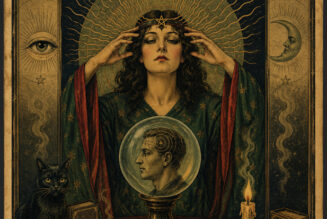
In addition to its historical and folkloric content, the book is distinguished by its thoughtful integration of symbolic frameworks, notably the Major Arcana of the tarot and the stages of alchemical transformation. These symbols are not merely decorative, but serve as interpretive tools that invite readers to engage more deeply with the material. Each chapter is paired with a corresponding tarot archetype—such as The High Priestess, The Hermit, or The Tower—encouraging reflection on the spiritual and psychological dimensions of the stories. The stages of alchemy, from nigredo (blackening) to rubedo (reddening), are woven throughout the narrative, offering a metaphorical lens through which to view the processes of transformation, loss, and renewal that characterize both the history of witchcraft and the personal journeys of those who practice it.
Through this symbolic layering, the book encourages readers to see witchcraft not only as a historical phenomenon, but as a living tradition that invites personal exploration and growth. The stories of witches—whether tragic, triumphant, or mysterious—become mirrors for the reader’s own experiences of change, challenge, and self-discovery. By linking the tales of forgotten witches to universal archetypes and alchemical processes, the book provides a rich source of inspiration for anyone interested in folklore, spirituality, or the enduring power of myth. It invites readers to reflect on the ways in which the figure of the witch continues to resonate in contemporary culture, from literature and art to modern spiritual movements, and to consider how these ancient stories might inform their own paths toward understanding and transformation.
Ultimately, “The Book of Forgotten Witches” stands as both a scholarly resource and a source of creative inspiration. It offers a nuanced perspective on the complexities of witchcraft, challenging simplistic narratives and encouraging a deeper appreciation for the diversity and resilience of those who have walked the witch’s path. Whether you are a student of history, a practitioner of magic, or simply a lover of stories, this book provides a gateway into a world where the boundaries between myth and reality are ever-shifting, and where the wisdom of the past continues to illuminate the present.