We would like to disclose that this website may contain affiliate links. This means that if you click on a product link and make a purchase, we may earn a commission. As an Amazon & eBay Partner Network Associate, we earn from qualifying purchases.
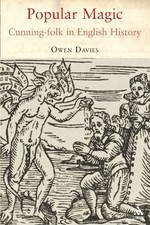
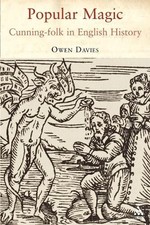
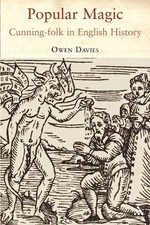
Popular Magic: Cunning Folk in English History by Owen Davies is a fascinating and scholarly exploration of the role of cunning folk in English society from the medieval period to the twentieth century. The book examines the lives and practices of these individuals, who were often known as wise men, wise women, healers, fortune tellers, and magical practitioners. Rather than portraying them as witches or frauds, Davies presents cunning folk as respected members of local communities who offered practical and spiritual services to ordinary people.
One of the major strengths of the book is the depth of historical research. Davies uses a wide range of sources, including court records, pamphlets, newspapers, diaries, and folklore collections, to reconstruct the social importance of popular magic in England. Through these materials, he demonstrates that belief in magic was deeply rooted in everyday life and continued long after the rise of scientific thinking and modern religion. The author argues convincingly that cunning folk provided comfort, healing, protection, and guidance to people who often had limited access to formal medicine or justice.
The writing style is clear and engaging despite the academic nature of the topic. Davies explains complex historical ideas in a way that is accessible to both scholars and general readers. The book also challenges common stereotypes about magic and superstition. Instead of dismissing magical beliefs as irrational, Davies places them within their social and cultural context, helping readers understand why people relied on cunning folk for centuries.
Another important aspect of the book is its balanced treatment of religion and magic. Davies shows how cunning folk often combined Christian beliefs with traditional magical practices, revealing the close relationship between religion, folklore, and everyday survival in English history.
Overall, Popular Magic: Cunning Folk in English History is an insightful and thought-provoking study that sheds light on a neglected aspect of English cultural history. It is highly recommended for readers interested in folklore, social history, witchcraft studies, and the history of popular belief.