We would like to disclose that this website may contain affiliate links. This means that if you click on a product link and make a purchase, we may earn a commission. As an Amazon & eBay Partner Network Associate, we earn from qualifying purchases.
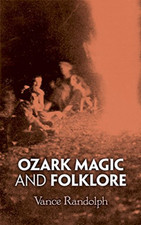
Ozark Magic and Folklore is a fascinating exploration of the beliefs, superstitions, and cultural traditions of the Ozark Mountains. The book provides readers with a vivid picture of how folklore shaped the daily lives of the people living in this isolated region. Through stories of charms, omens, folk healing, ghost tales, and old customs, the author successfully captures the mysterious and deeply rooted traditions of the Ozarks. The work is not only entertaining but also historically valuable because it preserves customs that may otherwise have been forgotten over time.
One of the strongest aspects of the book is its rich storytelling. The author presents legends and folk practices in a way that feels authentic and engaging. Readers are introduced to unusual beliefs about luck, weather signs, love potions, and supernatural creatures, all of which reveal the creativity and imagination of Ozark communities. The language is simple and accessible, making the book enjoyable for both academic readers and general audiences interested in folklore and cultural history.
Another important strength is the book’s attention to detail. The descriptions of traditional remedies, magical practices, and community rituals show how closely folklore was tied to survival and everyday life. Rather than portraying the people of the Ozarks as merely superstitious, the author explains how these beliefs developed from a mixture of Native American traditions, European influences, and frontier experiences. This balanced approach adds depth and credibility to the text.
However, some readers may find that certain sections become repetitive because many stories revolve around similar themes of superstition and magical beliefs. In addition, the book occasionally lacks deeper analysis of how modernization affected these traditions. Despite these minor weaknesses, the overall work remains highly informative and enjoyable.
In conclusion, Ozark Magic and Folklore is an engaging and insightful book that preserves an important part of American cultural heritage. It combines history, storytelling, and anthropology in a way that keeps readers interested from beginning to end. Anyone interested in folklore, regional history, or traditional beliefs will find this book both educational and entertaining.