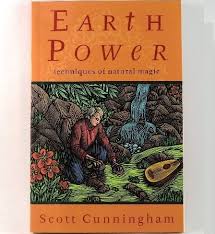
Earth Power: Techniques of Natural Magic by Scott Cunningham is widely regarded as one of the most approachable and influential guides to natural magic ever written. Blending practical instruction with spiritual insight, the book introduces readers to a form of magic rooted not in elaborate ceremonies or expensive tools, but in the living energies of the natural world itself. Cunningham presents magic as something deeply connected to everyday life—accessible through the earth beneath our feet, the wind moving through the trees, the warmth of sunlight, and the flowing currents of water.
From the very beginning, Cunningham establishes the core philosophy behind natural magic: the belief that nature is alive with energy and that human beings can work in harmony with these forces through awareness, intention, and respect. Rather than portraying magic as mysterious or unattainable, he explains it as a natural extension of humanity’s relationship with the environment. According to Cunningham, anyone can practice natural magic if they are willing to observe the world carefully, develop sensitivity to its rhythms, and approach nature with reverence and gratitude.
One of the book’s greatest strengths is its emphasis on ethical practice. Cunningham repeatedly reminds readers that magic should never come at the expense of the environment. Gathering herbs, stones, flowers, or water is treated as a sacred act that requires mindfulness and responsibility. He encourages practitioners to take only what is needed, avoid damaging ecosystems, and offer thanks to the earth in return. This ethical dimension gives the book a grounded and respectful tone, transforming magical practice into a spiritual partnership with nature rather than an attempt to dominate it.
The structure of the book revolves around the four classical elements—Earth, Air, Fire, and Water—each of which receives detailed exploration. Cunningham explains the symbolic meaning, magical associations, and practical uses of every element, making the material easy to understand even for complete beginners.
The section devoted to Earth focuses on stability, grounding, prosperity, and protection. Here, Cunningham explores the magical uses of stones, crystals, soil, trees, and natural landscapes. He demonstrates how simple objects found in nature can become powerful magical tools. A small stone placed near a doorway may serve as a protective charm, while soil gathered respectfully from a meaningful location can be used in rituals for strength and stability. Cunningham’s explanations encourage readers to see the sacred qualities hidden within ordinary natural objects.
In the chapter on Air, the focus shifts toward communication, thought, inspiration, and movement. Cunningham discusses magical practices involving wind, incense smoke, feathers, scents, and breathwork. He explains how the invisible yet ever-present nature of air makes it ideal for spells involving clarity, creativity, wisdom, and intellectual growth. Rituals connected to Air often emphasize meditation, visualization, and spoken intention, helping readers strengthen their mental focus and spiritual awareness.
The Fire section explores themes of transformation, courage, passion, purification, and personal power. Cunningham examines the magical properties of candles, sunlight, oils, flames, and heat. Fire rituals are presented as powerful tools for releasing negativity, inspiring change, and energizing one’s intentions. Candle magic receives particular attention, with step-by-step guidance on selecting colors, charging candles with intent, and performing simple yet meaningful rituals. Cunningham’s writing makes these practices feel practical and approachable rather than intimidating.
Water, perhaps the most emotionally resonant element, is associated with healing, intuition, dreams, purification, and emotional balance. Cunningham introduces techniques involving streams, rainwater, oceans, bowls of water, herbal infusions, and reflective surfaces used for scrying and divination. Water rituals are often deeply calming and introspective, encouraging practitioners to connect with their emotions and inner wisdom. The flowing, adaptable nature of water becomes a metaphor for spiritual growth and emotional healing throughout the text.
What truly distinguishes “Earth Power” from many other books on magic is Cunningham’s commitment to simplicity and accessibility. He consistently demonstrates that meaningful magical practice does not require expensive ritual tools or rare ingredients. Instead, magic can emerge from the ordinary world around us. Kitchen herbs, rainwater, seashells, feathers found during a walk, and stones collected from the earth all become sacred instruments when approached with intention and awareness.
This simplicity makes the book especially welcoming for beginners. Cunningham avoids overly technical language or rigid systems of belief. Instead, he encourages experimentation, intuition, and personal adaptation. Readers are invited to modify rituals according to their own experiences, surroundings, and spiritual perspectives. This flexible approach allows the book to feel deeply personal rather than prescriptive.
Another remarkable aspect of the book is the sheer number of practical exercises, rituals, and spells it contains. Cunningham provides over one hundred examples designed to address everyday needs and desires, including protection, prosperity, love, healing, purification, confidence, inspiration, and spiritual growth. Each ritual is explained clearly, often with additional commentary about symbolism and energetic purpose. Readers not only learn what to do but also why each step matters.
For example, a prosperity ritual might involve charging coins beneath sunlight before burying them in the earth as a symbolic act of planting abundance. A healing practice may include water infused with herbs and crystals, representing emotional cleansing and renewal. Even seemingly simple acts—such as drawing a heart in sand to attract love or speaking intentions into the wind—are presented as meaningful ways to engage with natural energies.
Beyond spells and rituals, Cunningham encourages readers to cultivate an ongoing relationship with the natural world. He suggests spending quiet time outdoors, observing seasonal changes, meditating beneath trees, listening to rainfall, or simply becoming more aware of the environment. These practices help readers develop sensitivity to nature’s rhythms and deepen their spiritual connection to the earth.
The book also highlights the importance of seasonal cycles and lunar phases. Cunningham explains how the changing seasons, solstices, equinoxes, and moon phases carry unique energetic qualities that can strengthen magical work. He encourages readers to celebrate these natural cycles through simple rituals and acts of gratitude. Planting seeds in spring, honoring abundance during harvest season, or reflecting during winter’s stillness become opportunities for spiritual alignment with the earth’s rhythms.
Another valuable theme explored in the book is personal reflection and spiritual growth. Cunningham recommends keeping a magical journal to document rituals, dreams, observations, and experiences. Over time, such a journal becomes both a practical record and a deeply personal map of one’s spiritual development. Through reflection and observation, practitioners can better understand which techniques resonate most strongly with them.
Although much of the book emphasizes solitary practice, Cunningham also acknowledges the power of community. He discusses the value of sharing rituals, celebrating seasonal festivals, and learning alongside others who follow similar paths. This balance between personal spirituality and communal experience adds warmth and inclusivity to the book’s overall message.
Throughout “Earth Power,” Cunningham’s writing remains calm, encouraging, and deeply respectful toward both nature and the reader. His tone never feels authoritarian or dogmatic. Instead, he acts as a gentle guide, inviting readers to discover their own spiritual connection with the natural world. This openness is one reason the book has remained so beloved among practitioners of witchcraft, paganism, and earth-centered spirituality for decades.
Ultimately, Earth Power: Techniques of Natural Magic is far more than a collection of spells and rituals. It is a celebration of humanity’s relationship with nature and a reminder that magic can be found in the simplest moments of everyday life. Cunningham teaches that the whispering wind, flowing water, glowing fire, and steady earth are not merely physical elements—they are living sources of wisdom, transformation, and spiritual power.
For beginners, the book offers a welcoming and practical introduction to natural magic. For experienced practitioners, it provides inspiration, reflection, and a renewed appreciation for the sacredness of the natural world. Above all, the book encourages readers to slow down, observe the beauty around them, and rediscover the sense of wonder that exists within nature itself.