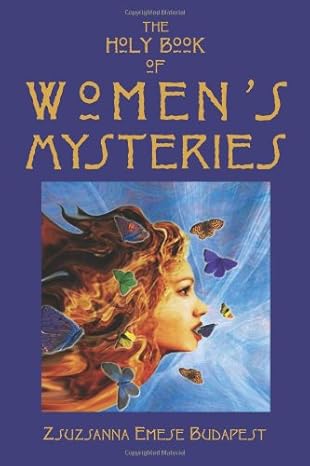
The Holy Book of Women’s Mysteries is a landmark text in women’s spirituality and modern witchcraft. For anyone curious about its contents or considering reading it for the first time, it’s helpful to understand both its historical context and its ongoing influence. This book is more than just a collection of rituals—it’s a window into a movement that changed how many people view magic, gender, and the sacred.
First published in the late 1970s, The Holy Book of Women’s Mysteries emerged during a period of intense social transformation. The women’s liberation movement was gaining momentum, and there was a growing hunger for spiritual paths that honored women’s experiences. Zsuzsanna Budapest—often called Z. Budapest—became a leading voice in this new wave of feminist spirituality. Her writing is passionate, direct, and unafraid to challenge the status quo. The book’s release marked a turning point, inspiring countless women to explore witchcraft as a path of empowerment and self-discovery. It also helped lay the foundation for the Dianic tradition, which centers the Goddess and women’s mysteries.
One of the book’s greatest strengths is its unwavering focus on women and the Goddess in witchcraft. Rather than simply reversing traditional power structures, Budapest explores what makes women’s spirituality unique and valuable. She encourages readers to see the divine in themselves and in the cycles of nature. The book connects spiritual practice to political action, showing how rituals and beliefs can support activism and social change. For example, Budapest describes rituals for healing, protection, and community-building, all designed to help women reclaim their power. Many readers find this approach both empowering and refreshing, especially if they’ve felt excluded from mainstream religious traditions.
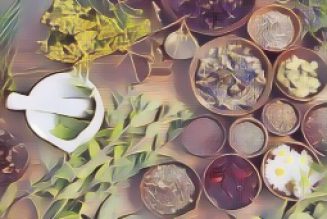
The Holy Book of Women’s Mysteries is also packed with practical advice and hands-on guidance. There are detailed instructions for daily magical practices, seasonal rituals, and divination techniques. Beginners will appreciate the step-by-step guides for casting circles, celebrating the solstices and equinoxes, and working with lunar cycles. The book also offers advice on vegetarianism, herbalism, and integrating spiritual beliefs with everyday activism. For instance, Budapest explains how to create simple altars, use common kitchen herbs in spells, and write your own rituals. These sections make the book a valuable resource for anyone who wants their spiritual life to reflect their ethical values and daily routines.
However, the book’s focus on Dianic witchcraft brings certain challenges. Dianic traditions are centered on the Goddess and women’s power, often creating women-only spaces and rituals. While this has been deeply meaningful for many, it has also sparked controversy within the broader Pagan and witchcraft communities. Some people feel excluded by the tradition’s emphasis on biological womanhood, and there have been ongoing debates about inclusion, gender identity, and the definition of “women’s mysteries.” It’s important for new readers to be aware of these discussions and to approach the book with an open mind, understanding that the landscape of modern witchcraft is diverse and evolving.
Budapest’s personal story is woven throughout the book, adding depth and context to her teachings. She escaped from Communist Hungary, bringing with her a deep respect for folk traditions and a fierce commitment to personal freedom. After arriving in the United States, she founded the Susan B. Anthony Coven, one of the first Dianic covens, and became a prominent activist for women’s rights. Her legal battle over tarot reading—she was arrested for “fortune telling” in California—became a landmark case for religious freedom. These stories highlight her courage and determination to carve out new spiritual paths, even in the face of opposition. At times, her autobiography takes center stage, offering inspiration but sometimes overshadowing the book’s practical content.
Another key feature of the book is its exploration of goddesses from many different cultures. Budapest encourages readers to reclaim feminine symbols and to question how patriarchal religions have altered ancient myths. She provides examples of goddesses from Greek, Roman, Celtic, and other traditions, explaining their stories and significance. This approach invites readers to see themselves as part of a long lineage of women honoring the sacred feminine. However, some critics argue that Budapest’s interpretations can be one-sided or lack nuance, sometimes overlooking the complexities of cultural context and historical change. It’s helpful for readers to supplement her analysis with further research and to approach these myths with curiosity and respect.
The Holy Book of Women’s Mysteries also stands out for its inclusion of Rites of Passage for both women and men. These rituals mark important life transitions—such as coming of age, marriage, or menopause—and help participants connect with nature and the divine feminine. Unlike many other witchcraft books, Budapest provides detailed scripts and explanations for these ceremonies, making them accessible to beginners. She emphasizes the importance of community and shared experience, encouraging readers to adapt the rituals to their own needs and cultures. These rites can be powerful tools for personal growth and healing, especially for those seeking to honor life’s milestones in a meaningful way.
The latest edition of the book features a new introduction by Budapest herself, as well as essays by influential writers like Starhawk and Merlin Stone. These additions offer valuable background and a range of perspectives on the evolution of women’s spirituality. Starhawk, for example, discusses the importance of ritual and community, while Merlin Stone explores the historical roots of goddess worship. Together, these voices highlight the book’s ongoing relevance and its role in shaping modern witchcraft. They also encourage readers to think critically about tradition, innovation, and the future of spiritual practice.
In summary, The Holy Book of Women’s Mysteries remains a powerful and influential resource for anyone interested in women’s spirituality and modern witchcraft. Its strengths lie in its bold message, practical advice, and historical significance. The book has inspired generations of witches, activists, and seekers to embrace their power and to challenge limiting beliefs. At the same time, readers should be aware of its limitations—such as its narrow focus on Dianic witchcraft and its sometimes strong opinions. Engaging with the book critically and thoughtfully can help you get the most out of its teachings.
Whether you are just beginning your journey or have years of experience, this book offers inspiration, guidance, and a sense of connection to a larger movement. It encourages you to feel empowered, to honor your own experiences, and to think deeply about the traditions you choose to follow. Use The Holy Book of Women’s Mysteries as a starting point—experiment with its rituals, reflect on its ideas, and don’t be afraid to seek out other voices and perspectives as you continue to grow on your path.