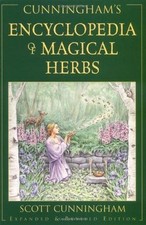
Cunningham’s Encyclopedia of Magical Herbs stands as a cornerstone in the study and practice of herbal magic. First published in 1985, this comprehensive reference explores the magical properties, folklore, and historical uses of more than 400 herbs. Drawing from both ancient traditions and modern practices, the book serves as an invaluable resource for students, practitioners, and anyone interested in the intersection of nature and magic.
Throughout history, herbs have played a vital role in spiritual and magical traditions across cultures. From the incense burned in ancient temples to the protective garlands hung in medieval homes, plants have been used for healing, protection, divination, and the enhancement of ritual power. Cunningham’s work brings together this rich heritage, offering clear and accessible guidance for those wishing to incorporate herbs into their magical practice.
The book is frequently recommended for those who work with herbs in magic, whether for spells, talismans, or to understand their traditional uses. Paul Beyerl, a respected author on herbs, describes it as “an essential reference book for students of herbalism and magick alike,” and notes the approachable style of Scott Cunningham. Jeanne Rose, a well-known herbal author and educator, praises the book for its accessibility, readability, and comprehensive index, making it easy to use. Over 200,000 readers have found this book valuable in their practice.
Within its pages, readers will find detailed information on the magical properties and folklore of over 400 herbs. The book also includes lists of herbs categorized by their magical powers, gender associations, planetary rulers, and more. A particularly useful feature is the folk name cross-reference, which helps clarify ingredient names in recipes. For example, if a recipe calls for “bramble,” the book identifies it as blackberry; “enebro” is clarified as juniper. This attention to detail ensures that practitioners can confidently select the correct plant for their work.
The main section of the encyclopedia provides individual listings for each herb, including their names, associations, and magical uses. For instance, violets are associated with protection, luck, and love; primrose is linked to protection and love; garlic is noted for protection, healing, exorcism, lust, and theft prevention. Additional examples include rosemary, which is used for purification, remembrance, and fidelity; mugwort, valued for psychic awareness and dream work; and basil, which is associated with love, wealth, and protection.
Practitioners can apply the knowledge from Cunningham’s Encyclopedia in a variety of ways. For example, herbs may be incorporated into sachets, amulets, incense blends, or ritual baths. A simple protective charm might involve placing rosemary and garlic in a small pouch and carrying it for personal safety. For love spells, rose petals and basil can be combined and placed under a pillow to attract affection. The book’s clear instructions and cross-references make it easy to adapt traditional recipes to modern needs.
When approaching herbal magic, it is essential to do so with respect and mindfulness. Always positively identify any plant before use, as some herbs can be toxic if handled or ingested improperly. Harvest plants ethically, taking only what is needed and giving thanks to the earth. Consider the cultural significance of certain herbs and avoid appropriating practices without understanding their origins. Cunningham’s work encourages a respectful and informed approach, emphasizing the importance of intention, knowledge, and gratitude in all magical workings.
Widely considered a classic in its field, Cunningham’s Encyclopedia of Magical Herbs is one of the most frequently consulted resources on this subject. For those seeking to understand the secrets and traditions of magical herbs, this book serves as a comprehensive and reliable guide, bridging the wisdom of the past with the needs of contemporary practitioners.