We would like to disclose that this website may contain affiliate links. This means that if you click on a product link and make a purchase, we may earn a commission. As an Amazon & eBay Partner Network Associate, we earn from qualifying purchases.
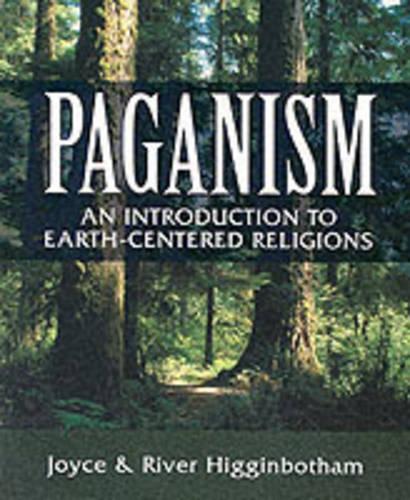
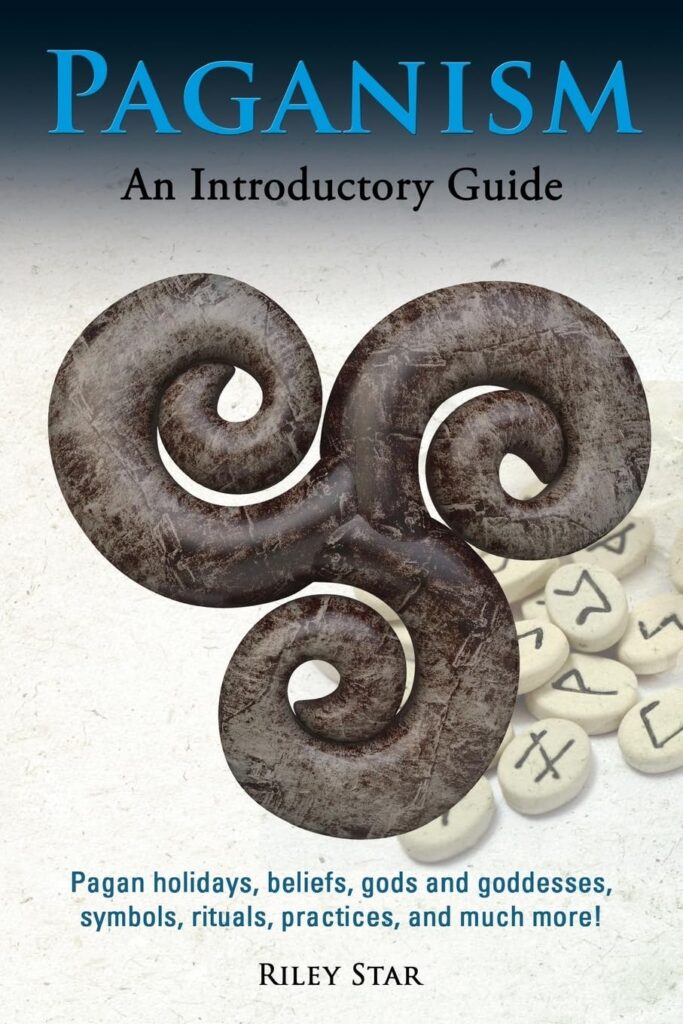
Paganism: An Introduction to Earth-Centered Religions is a thoughtful and highly accessible guide that opens the door to the rich and diverse world of modern Pagan spirituality. Written with clarity and depth, the book serves as both an educational introduction and a practical handbook for readers who are curious about earth-centered religions and contemporary spiritual practices. Whether someone is completely new to Paganism or already exploring alternative spiritual paths, the authors provide a welcoming and balanced foundation for understanding these traditions.
At its core, the book explains that Paganism is not a single religion but rather a broad umbrella term that includes many spiritual traditions connected by a reverence for nature and a belief in the sacredness of life. The authors introduce readers to paths such as Wicca, Druidry, Heathenry, and modern witchcraft traditions, showing how each has its own customs, beliefs, and rituals while still sharing common values. Throughout the text, Paganism is presented as a living spiritual practice centered on harmony with the earth, respect for natural cycles, and personal spiritual experience.
One of the book’s greatest strengths is its structured and educational approach. The material is based on a Pagan study course that the authors developed and refined over many years of teaching. Because of this, the chapters are organized in a way that gradually builds understanding, making the subject easy to follow even for complete beginners. Rather than overwhelming the reader with abstract theory, the book combines explanation with practical exercises, guided meditations, journal prompts, and discussion questions. These features encourage active participation and self-reflection, allowing readers not only to learn about Paganism intellectually but also to explore how its ideas may connect to their own lives and beliefs.
The authors spend considerable time exploring the foundational beliefs shared by many Pagan traditions. They discuss concepts such as polytheism, animism, and the idea that divinity can exist within nature itself. Readers are introduced to the belief that the earth, the elements, and all living beings possess spiritual significance. Unlike many rigid religious systems, Paganism is presented as deeply personal and experiential, encouraging individuals to form their own relationship with spirituality through practice, reflection, and connection with nature.
A particularly engaging section of the book focuses on the Pagan sacred calendar, commonly known as the Wheel of the Year. The authors explain the eight seasonal festivals, or Sabbats, that mark the changing cycles of nature. Celebrations such as Samhain, Beltane, Yule, and the spring and autumn equinoxes are described in detail, helping readers understand both their historical roots and modern spiritual meanings. Through these discussions, the book emphasizes how Pagan traditions encourage mindfulness of the natural world and the rhythms of the seasons.
The text also provides a clear introduction to Pagan ritual practices and spiritual techniques. Readers learn how rituals are structured, how sacred space is created, and how the elements—earth, air, fire, and water—are symbolically honored during ceremonies. The authors explain the role of meditation, visualization, chanting, and symbolic tools in spiritual work. The concept of magick is introduced not as fantasy or superstition, but as a focused practice of intention and personal transformation. Practical examples, such as candle rituals, grounding exercises, and elemental meditations, help make these ideas understandable and approachable for newcomers.
Another important aspect of the book is its discussion of ethics and responsibility within Pagan practice. The authors encourage readers to think critically about the impact of their actions, both spiritually and personally. Ethical concepts such as the Wiccan Rede and the importance of reciprocity, respect, and accountability are examined in detail. This focus on ethics gives the book a thoughtful and grounded tone, reminding readers that spiritual practice is closely tied to personal integrity and self-awareness.
What makes this book especially valuable is its inclusive and nonjudgmental approach. The authors recognize that every reader’s spiritual journey is unique, and they avoid presenting Paganism as a rigid set of rules. Instead, the book encourages exploration, questioning, and personal growth. This makes it an excellent resource not only for those seeking a spiritual path, but also for readers who simply want to better understand Pagan beliefs and practices in order to communicate more openly with Pagan friends, family members, or communities.
Overall, Paganism: An Introduction to Earth-Centered Religions is an informative, practical, and compassionate introduction to modern Pagan spirituality. By combining historical insight, spiritual philosophy, ethical discussion, and hands-on exercises, the authors create a guide that is both educational and deeply engaging. The book succeeds in making Paganism approachable and understandable while also honoring the depth and diversity of earth-centered religious traditions. For anyone interested in spirituality, nature-based religion, or contemporary witchcraft practices, this book provides a strong and thoughtful starting point for further exploration.