
Author: A Solitary Pagan
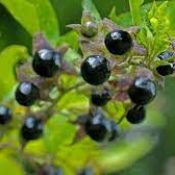

Night Shade
(Atropa belladonna) Poison Folk Names: Banewort, Black Cherry, Deadly Nightshade, Death’s Herb, Devil’s Cherries, Divale, Dwale, Dwaleberry, Dwayberry, Fair Lady, Great Morel, Naughty Man’s Cherries, Sorcerer’s Berry, Witch’s Berry Gender: Feminine Planet: Saturn Element: Water Deities: Hecate, Bellona, Circe Ritual Uses: The priests of Bellona, according to ancient tradition, drank an infusion of...
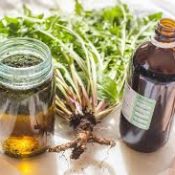

Herbs and the Minerals They Contain
Herbs and the minerals they contain is a very involved subject and should be we researched well beforehand. Minerals Calcium This mineral builds and protects bones and teeth. Helps maintain a regular heartbeat. Prevents muscle cramping. Herbal Sources: Alfalfa, burdock root, cayenne, chamomile, chickweed, chicory, dandelion, eyebright, fennel seed, fenugreek, flaxseed, hops, horsetail, kelp, lemon...


Beginning Herbalism
Herbalism, like midwifery skills, is one of the oldest parts of teaching within the craft, but is also one where we have lost a huge amount of information and where science has yet to catch up. Every pagan culture has utilized the herbalism of its particular region, and I have found no one source or teacher who could possibly know about every herb that grows on the Earth. Yet today we have the opp...

Your First Herb Garden
If you live in an area that gets very hot during the summer months, cover herbs with a layer of mulch to keep them from drying out. If you’re maintaining them in pots on your deck, opt for containers with their own water reservoirs (or use potting soil that contains water-retaining polymers). Check the height details for your herbs and plant accordingly with taller herbs behind shorter ones. Pay a...


Herb Gardening
Herbs play well with other plants. In fact, many of them (like rue, catnip, garlic and marigold) make good companion plants for pest control with vegetables and flowers. (When you don’t want to use pesticides, companion planting can save you a lot of headaches.) You may even have a lavender plant (at your garden gate, of course), or a rosemary bush as a privacy screen. That’s all a little differen...

Herbal Medicine Today
Herbal medicines are still in use today. In some respects, they have gained a new momentum in the medical field. As many people seek alternative treatments and begin to check out traditional, and Eastern, medicine, herbs are becoming more popular. As physicians seek new treatments for many common illnesses they are beginning to revisit the traditional remedies, using herbal medicines. Pharmaceutic...

The Greek Way of Herbal Healing
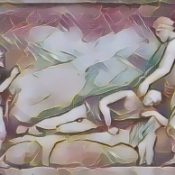
In classical Greek science and medicine, everything in the universe has its own inherent nature and temperament, or balance of the Four Basic Qualities: Hot, Cold, Wet and Dry. This is the basis of how Greek Medicine analyzes the natures and properties of herbs. To more precisely calibrate how Hot, Cold, Wet, or Dry an herb was, Galen introduced a system of four degrees for each of the Four Basic ...


Magickal Intentions – Hex Breaking
Magickal Intentions – Hex Breaking. Sometimes, people believe they have been hexed, cursed, jinxed, or affected by psychic attacks. In many cases, these feelings can be traced back to ordinary events in daily life. Even when someone is convinced they are under a hex, it is often the result of life’s unpredictability, combined with personal fears and anxieties. A series of unfortunate events—such a...

Negativity and Hex Removal Bath Ritual: A Simple Step-by-Step Guide.
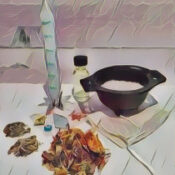
Negativity and Hex Removal Bath Ritual: A Simple Step-by-Step Guide. Sometimes, you might feel weighed down by negativity, bad luck, or even suspect the influence of a hex. Before starting any ritual, it can be helpful to pause and consider where these feelings are coming from. Recent events, your surroundings, or your own thoughts may play a role. Self-reflection is a useful first step, as negati...

Hexes
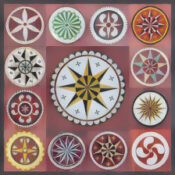
The term “hex” comes from the German word “hexe,” which means witch. It became part of American language and culture through German-speaking immigrants, especially in Pennsylvania. In early American folk traditions, a hex referred to a magickal practice used to influence, protect, or sometimes harm a person, family, or property. The person who performed these rituals was of...


Hex
The word “hex” often brings to mind images of spells, enchantments, and mysterious rituals. At its core, a hex is a type of spell or magical influence. It can affect a person, an object, or even a situation. The origin of the word “hex” comes from the Pennsylvania Dutch, a group of German-speaking immigrants who settled in Pennsylvania during the 1600s and 1700s. The term is borrowed f...

Hex Breaking
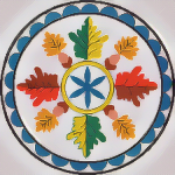
In witchcraft, a hex is commonly understood as a persistent negative force that can follow a person, causing misfortune and emotional distress. Learning how to recognize and remove a hex is a valuable skill, especially for those new to the practice. This guide will outline a clear, step-by-step process for identifying and breaking a hex, with practical explanations for each stage. The first step i...