
Author: A Solitary Pagan


What are pagan rituals for Spring Equinox?
The Spring Equinox, often called Ostara in many pagan traditions, is the time of year when day and night are equal in length. This balance is seen as a symbol of renewal and new beginnings. The event usually takes place around March 20th or 21st in the Northern Hemisphere, and has been recognized by many cultures as a period of growth and fertility. In pagan and witchcraft practices, rituals for t...


What does equinox literally mean?
The word “equinox” is derived from the Latin terms “aequus,” which means “equal,” and “nox,” meaning “night.” In astronomy, an equinox takes place twice each year, around March 20th and September 23rd, when the sun crosses the celestial equator. On these dates, day and night are nearly the same length everywhere on Earth, representing a time of balance between light and darkness. Many cultures rec...


Key Details About the Spring Equinox
The spring, or vernal, equinox in the Northern Hemisphere is a significant astronomical event, occurring this year on March 20 at 14:45 GMT. This moment marks the precise point when the sun crosses directly over the Earth’s equator, resulting in nearly equal amounts of daylight and darkness across the globe. The equinox is not only the astronomical beginning of spring, but also a powerful symbol o...
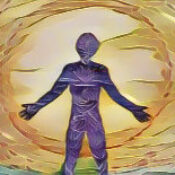

Common Aura Sizes and Patterns: Large Aura
A large aura is often observed in individuals who naturally take on leadership roles or find themselves at the center of group dynamics. This expansive energy field can indicate a strong presence, the ability to inspire others, or a tendency to influence the environment around them. For example, teachers, performers, or community organizers may exhibit a large aura when they are actively engaging ...
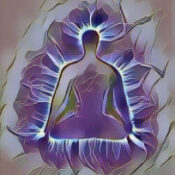

Common Aura Sizes and Patterns: Small Aura
A small or withdrawn aura is typically associated with a desire for protection or invisibility. This pattern may emerge during periods of stress, anxiety, or after experiencing emotional trauma. For instance, someone who feels threatened or overwhelmed in social situations might unconsciously draw their aura in close to their body, creating a sense of safety or minimizing attention from others. Wh...
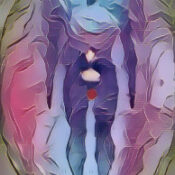

Common Aura Sizes and Patterns: Absent Energy Out of Body
In some cases, individuals may experience a sense of their energy being absent or displaced from the body. This phenomenon is often linked to significant emotional pain, trauma, or dissatisfaction with life circumstances. For example, someone who has recently experienced a loss or a major life upheaval might unconsciously allow their energy to drift above or away from their physical form as a mean...
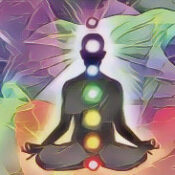

Common Aura Sizes and Patterns: Healthy Balanced Aura Size
A healthy and balanced aura typically extends about an arm’s length in all directions around the body. This size is considered optimal for maintaining both personal boundaries and a harmonious connection with the surrounding environment. Individuals with a balanced aura are often able to interact with others while still retaining a clear sense of self, making it easier to navigate social situation...


Common Aura Shapes
The shape and quality of a person’s aura can offer valuable insight into their emotional well-being, personal boundaries, and the way they interact with the world. By observing and understanding common aura types, individuals can gain a deeper awareness of their own patterns and take steps toward greater balance and self-empowerment. By recognizing and working with the qualities of your own aura, ...
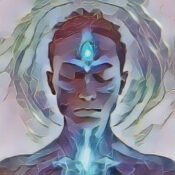

Common Aura Shapes: The Fuzzy Aura
The “Fuzzy Aura” is often described as having indistinct or blurred edges, making it difficult to discern where one’s energy ends and another’s begins. People with a fuzzy aura may find themselves unconsciously absorbing the emotions, stress, or even physical discomfort of those around them. For example, after spending time with a friend who is upset, someone with a fuzzy aura might le...


Common Aura Shapes: The Spikey Aura
In contrast, the “Spiky Aura” is characterized by sharp, jagged edges that may seem to project outward, almost like energetic armor. This aura shape often develops as a response to feeling threatened, unsafe, or having experienced emotional, physical, or psychological trauma. Individuals with a spiky aura may be quick to react defensively, sometimes misinterpreting neutral situations a...


Common Aura Shapes: The Neutral Aura
The “Neutral Aura” is typically seen as clear, balanced, and well-defined, with boundaries that are neither too porous nor too rigid. Individuals with a neutral aura are able to maintain a strong sense of self while engaging with others in a compassionate and open manner. They take responsibility for their own emotions and actions, respond to challenges with calmness, and are able to a...
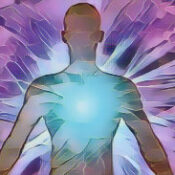

Aura Size and Patterns…
The aura is often described as an energetic field that surrounds and interpenetrates the physical body. Observing the size and patterns of your aura can offer valuable insights into your emotional, mental, and spiritual state. For those new to this concept, it may help to imagine the aura as a subtle glow or field of energy that can expand, contract, or shift in response to your experiences and en...