Throughout history, dragons and witchcraft have shared a powerful place in mythology, folklore, and fantasy literature. Both symbolize mystery, forbidden knowledge, and supernatural power. Across cultures, dragons have appeared not only as terrifying beasts but also as magical guardians, spiritual guides, and companions to witches, sorcerers, and mystics. The connection between dragons and witchcraft reveals humanity’s fascination with forces beyond ordinary understanding and reflects how ancient societies explained nature, fear, and wisdom through storytelling.
In European folklore, dragons were often portrayed as dangerous creatures associated with chaos, greed, and destruction. Medieval legends frequently depicted dragons guarding treasure or sacred places, representing temptations and dangers that heroes needed to overcome. Witches, meanwhile, were believed to possess secret powers drawn from hidden or dark sources. Because dragons embodied primal magical energy, they naturally became linked with those thought to practice supernatural arts. Stories emerged in which witches summoned dragons, communicated with them, or drew strength from dragon-related magic.
One reason dragons became associated with witchcraft is their symbolic connection to the elements. In many traditions, dragons are tied to fire, storms, water, or the earth itself. Witches were also believed to manipulate natural forces through spells and rituals. A dragon’s fiery breath, immense strength, and mysterious intelligence made it a perfect representation of magical power. In fantasy traditions inspired by older myths, dragon scales, blood, teeth, and bones were often imagined as ingredients in potions or enchantments. Such ideas reinforced the belief that dragons possessed rare magical properties that witches sought to harness.
In Eastern cultures, dragons carried a far different meaning. Chinese dragons, for example, were seen as wise and benevolent beings connected to rainfall, prosperity, and imperial authority. Rather than monsters to be slain, they were respected as spiritual creatures with divine significance. In some Asian legends, mystics and spiritual practitioners communicated with dragons to gain wisdom or balance with nature. Here, the relationship between dragons and magical practice was less about fear and darkness and more about harmony and enlightenment. This contrast demonstrates how cultural perspectives shaped the role dragons played in magical traditions.
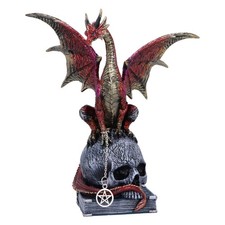
Modern fantasy literature and popular culture have greatly expanded the relationship between dragons and witchcraft. Novels, films, games, and television series frequently portray dragons as companions or allies to witches and sorcerers. These dragons are often intelligent creatures capable of speech, magic, and emotional bonds with humans. The witch-dragon partnership has become a popular storytelling device because it combines two symbols of extraordinary power. A witch riding or commanding a dragon instantly conveys mastery of dangerous and ancient forces.
In fantasy settings, dragons are often portrayed as keepers of forbidden knowledge. Ancient libraries, magical secrets, and lost spells are commonly guarded by dragons who possess wisdom accumulated over centuries. Witches seeking greater power may attempt to bargain with dragons or study their ancient magic. This idea reflects a broader theme within mythology and literature: the pursuit of knowledge can be both enlightening and dangerous. Dragons symbolize the immense power of hidden wisdom, while witches represent those daring enough to seek it.
The imagery of dragons in witchcraft also appears in modern spiritual practices and symbolic traditions. Some contemporary pagan and fantasy-inspired belief systems use dragons as representations of personal strength, transformation, protection, or elemental energy. Dragon imagery may appear in rituals, artwork, meditation, or storytelling as a way to connect with ideas of courage and mystical awareness. In these interpretations, dragons are less literal creatures and more symbolic embodiments of spiritual power and inner transformation.
The enduring popularity of dragons and witchcraft can also be explained psychologically. Humans are naturally drawn to stories about power, mystery, and transformation. Dragons represent untamed forces of nature and imagination, while witches symbolize rebellion against ordinary limits and the pursuit of hidden truths. Together, they create narratives filled with danger, wonder, and possibility. Whether portrayed as allies, enemies, or spiritual beings, dragons continue to capture the imagination because they embody the unknown.
Ultimately, the connection between dragons and witchcraft reflects centuries of storytelling shaped by fear, reverence, creativity, and cultural belief. From ancient myths to modern fantasy worlds, dragons have remained powerful symbols of magic and mystery. Their relationship with witches and sorcerers continues to evolve, inspiring countless stories that explore humanity’s fascination with supernatural power and the hidden forces that lie beyond everyday life.