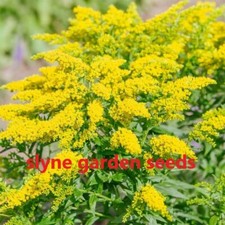
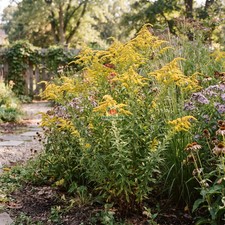
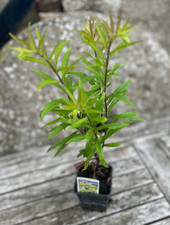
Goldenrod (Solidago spp.) has long been valued in many modern pagan and witchcraft traditions for its bright golden flowers and symbolic associations with abundance, prosperity, protection, and positive energy. Blooming in late summer and early autumn, goldenrod is often seen as a reminder of the sun’s enduring warmth before the arrival of winter, making it a meaningful plant in seasonal celebrations.
In many contemporary pagan practices, goldenrod is linked to the element of Air due to its delicate blossoms and ability to sway gracefully in the wind. Some practitioners also associate it with the Sun because of its vibrant yellow color, viewing it as a symbol of vitality, confidence, and success. It may be gathered respectfully during its flowering season and placed on altars to honor the changing seasons, particularly around harvest festivals such as Lammas or Mabon.
Within folk magic and modern witchcraft, goldenrod is commonly included in spells and rituals intended to attract prosperity, good fortune, and opportunity. Some witches carry dried sprigs in charm bags or place the flowers near doorways with the belief that they invite blessings while discouraging negative influences. Others burn dried goldenrod as incense or add it to ritual blends, believing its fragrant smoke helps cleanse a sacred space and uplift spiritual energy.
Goldenrod is also associated with divination and personal growth in some magical traditions. Practitioners may use it during meditation or intention-setting rituals to encourage clarity, self-confidence, and the courage to pursue new paths. Because it blooms abundantly in fields and meadows, it is sometimes regarded as a symbol of resilience and the rewards that come from patience and perseverance.
In nature-based spirituality, the plant is often appreciated not only for its symbolism but also for its ecological importance. Goldenrod provides a valuable source of nectar and pollen for bees, butterflies, and other pollinators late in the growing season. Many pagans and witches see caring for native plants such as goldenrod as an act of environmental stewardship that aligns with their spiritual values.
While the magical uses of goldenrod are rooted in folklore, personal belief, and modern spiritual practice rather than scientific evidence, the plant continues to hold a cherished place in pagan and witchcraft communities as a symbol of light, abundance, protection, and the enduring cycles of nature.