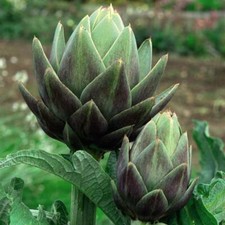
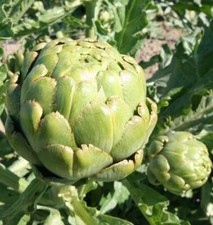
The globe artichoke (Cynara scolymus) is best known as a nutritious vegetable, but it also holds symbolic significance in certain pagan and modern witchcraft traditions. Although it does not have as extensive a magical history as herbs such as sage, rosemary, or mugwort, the globe artichoke is valued for its associations with protection, abundance, self-discovery, and the heart.
The artichoke’s distinctive appearance, with its tightly layered leaves surrounding a hidden edible heart, has inspired symbolic interpretations. In many pagan and magical practices, this layered structure represents the gradual unveiling of truth, wisdom, and the inner self. Practitioners may use the artichoke as a reminder that personal growth requires patience, as each layer must be removed before reaching the centre.
In contemporary witchcraft, the globe artichoke is sometimes incorporated into rituals focused on emotional healing and self-protection. Its tough outer leaves are seen as a natural shield, symbolising healthy boundaries and spiritual defence against unwanted influences. Some practitioners place an artichoke on an altar during protection spells or seasonal celebrations to represent resilience and inner strength.
The heart of the artichoke is often associated with love, compassion, and emotional openness. In rituals involving relationships, forgiveness, or self-love, it may symbolise the rewards that come from vulnerability and honest connection. Rather than serving as a magical ingredient in spellwork, the vegetable is more commonly used as a symbolic offering or meditation tool.
Because the globe artichoke is a cultivated plant that flourishes through careful tending, it is also linked with prosperity, fertility, and the rewards of sustained effort. During harvest festivals such as Lammas or Mabon, some modern pagans include artichokes in seasonal feasts or altar displays to honour the abundance of the earth and express gratitude for successful harvests.
It is important to note that many of these associations originate in modern pagan and neo-pagan traditions rather than in documented ancient pagan religions. Historical evidence for the globe artichoke playing a significant role in ancient magical practices is limited. As with many plants used in contemporary witchcraft, its symbolism has evolved through personal practice, folklore, and modern spiritual interpretation, making it a meaningful emblem of protection, abundance, patience, and the discovery of one’s true inner nature.