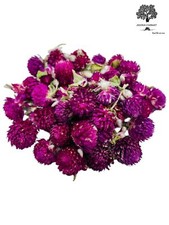
Globe amaranth (Gomphrena globosa) is a vibrant flowering plant admired for its round, clover-like blooms that retain their color long after being harvested. While it is best known as an ornamental and medicinal herb, many modern pagans and practitioners of witchcraft also value globe amaranth for its symbolic and magical associations. Although historical evidence of its use in ancient pagan traditions is limited, contemporary spiritual practices have embraced the flower for its beauty, resilience, and enduring qualities.
One of the strongest symbolic meanings associated with globe amaranth is immortality and eternal love. Because its blossoms dry naturally without losing their vivid color, the flower is often seen as representing the enduring nature of the soul, lasting friendships, and bonds that transcend time. In pagan rituals honoring ancestors or celebrating the cycles of life and death, dried globe amaranth flowers may be placed on altars as offerings or used in seasonal decorations.
In modern witchcraft, globe amaranth is commonly associated with love, healing, happiness, and emotional resilience. Practitioners may incorporate the flowers into sachets, charm bags, or spell jars intended to strengthen relationships, encourage self-love, or promote emotional balance. The bright blossoms are also believed by some to raise the energy of a spell by adding joy, optimism, and perseverance.
The flower’s ability to retain its shape and color makes it a popular ingredient in wreaths, dried bouquets, and altar decorations. These arrangements are thought to symbolize continuity, protection, and the lasting presence of spiritual intentions. During seasonal festivals such as Lammas or Mabon, globe amaranth may be included in harvest displays to represent abundance, gratitude, and the preservation of blessings throughout the darker months of the year.
As with many plants used in contemporary paganism and witchcraft, the magical properties attributed to globe amaranth are based primarily on symbolism, folklore, and personal spiritual practice rather than scientific evidence. Different traditions assign different meanings to the flower, and individual practitioners often develop their own correspondences through experience and intuition.
Whether appreciated for its striking appearance or its symbolic significance, globe amaranth remains a cherished botanical ally in many modern pagan and witchcraft traditions, embodying themes of endurance, beauty, remembrance, and the enduring power of intention.