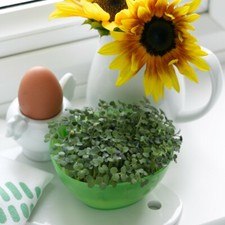
Garden cress (Lepidium sativum) is a fast-growing herb that has long been appreciated for its culinary and medicinal qualities. In modern paganism and various forms of folk witchcraft, it is also valued for its symbolic associations with growth, renewal, and prosperity. While historical evidence for extensive ritual use of garden cress is limited compared with herbs such as sage, rosemary, or mugwort, contemporary practitioners often incorporate it into magical practices based on its characteristics and traditional herbal symbolism.
Because garden cress germinates and grows quickly, it is commonly associated with new beginnings, personal development, and the manifestation of intentions. Some pagans sow its seeds during rituals celebrating the spring season, particularly around festivals such as Ostara, where it represents the return of life, fertility, and the awakening of the earth after winter. Watching the seeds sprout serves as a visual reminder of goals taking root and flourishing over time.
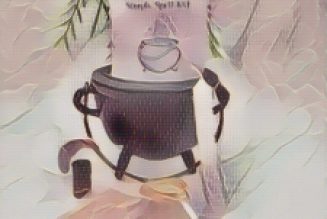
In witchcraft, garden cress may be included in spells or rituals focused on abundance, success, and vitality. Fresh sprigs or seeds are sometimes placed on altars as offerings to nature spirits or deities connected with agriculture and fertility. Others add the herb to charm bags, sachets, or spell jars intended to encourage prosperity, motivation, or healthy growth in a project or relationship. These uses are based on symbolic correspondences rather than documented historical practices.
Garden cress can also be used in simple ritual gardening. Tending and harvesting the plant with mindful intention allows practitioners to connect with seasonal cycles and the natural world. The act of caring for the herb is often viewed as a form of everyday magic, reinforcing patience, gratitude, and respect for nature.
As with many magical herbs, the meaning of garden cress varies among traditions and individual practitioners. Wiccan, Druidic, eclectic pagan, and folk magic paths may each interpret its symbolism differently. There is no single universal tradition governing its use, and many correspondences are modern adaptations inspired by historical herbal lore and personal spiritual experience.
Whether grown on a windowsill or in a sacred garden, garden cress serves as a gentle symbol of life’s continual renewal, reminding practitioners that even the smallest seeds have the potential to bring meaningful transformation when nurtured with care and intention.