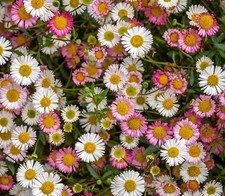
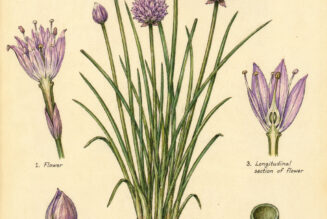
Erigeron, commonly known as fleabane, is a genus of flowering plants in the daisy family (Asteraceae). Found across Europe, North America, and parts of Asia, these hardy wildflowers are recognized by their many thin petals surrounding bright yellow centers. Depending on the species, their flowers may be white, pink, lavender, or purple. Erigeron grows in meadows, roadsides, gardens, and rocky ground, making it a familiar sight in many natural landscapes.
Historically, the name “fleabane” comes from the old belief that dried plants could repel fleas and other insects when scattered around homes or bedding. While modern science has found little evidence to support this use, the association with protection has remained an important part of the plant’s folklore.
In modern Paganism and contemporary witchcraft, Erigeron is valued more for its symbolic qualities than for any historical role in formal religious practice. Although it is not among the best-documented ritual herbs of ancient traditions, many practitioners incorporate it into personal spiritual practices inspired by folklore and nature. The plant is often associated with protection, purification, resilience, and gentle healing. Its ability to thrive in poor soil and difficult conditions makes it a symbol of endurance and quiet strength.
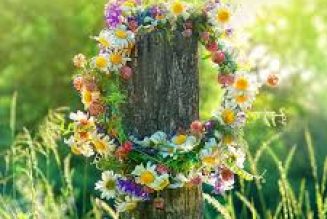
Some witches place dried Erigeron in protective sachets or charm bags intended to promote peace and ward off unwanted influences. Others include the flowers on altars dedicated to nature spirits or seasonal celebrations, particularly during late spring and summer when the plant blooms abundantly. It may also be used in meditation or mindfulness practices as a reminder that beauty and growth can flourish even in challenging environments.
In magical correspondences, Erigeron is frequently linked with the element of Earth because of its hardy nature, though some practitioners also associate it with Air due to its light, delicate flowers. As with many herbs used in modern witchcraft, these associations vary between traditions and individual practitioners rather than being universally accepted.
Today, Erigeron represents the deep connection between the natural world and spiritual practice. Whether appreciated for its cheerful blossoms, rich folklore, or symbolic meaning, this modest wildflower reminds many Pagans and witches that even the simplest plants can inspire protection, resilience, and a closer relationship with nature.